Top 10 Adidas Soccer Cleats: World Cup Performance & Buyer's Guide
As a sports science professor, I analyze the top 10 Adidas soccer cleats that dominated World Cup performance, offering a practical guide for players to understand their impact and make informed purchasing decisions.
The Story So Far
Imagine a stadium, packed with roaring fans. The ball is at the feet of a superstar, their every move amplified by the roar. What separates that moment of brilliance from the ordinary? Often, it’s the technology beneath their feet. Adidas, a titan in sports apparel, has consistently outfitted elite athletes on the world's biggest stage. For decades, their innovations in soccer footwear have directly influenced player performance, especially during the intense scrutiny of the FIFA World Cup. Understanding which models have historically excelled, and why, offers a practical roadmap for any player looking to elevate their game. This guide delves into the performance of top Adidas cleats, offering insights crucial for making your next boot selection.
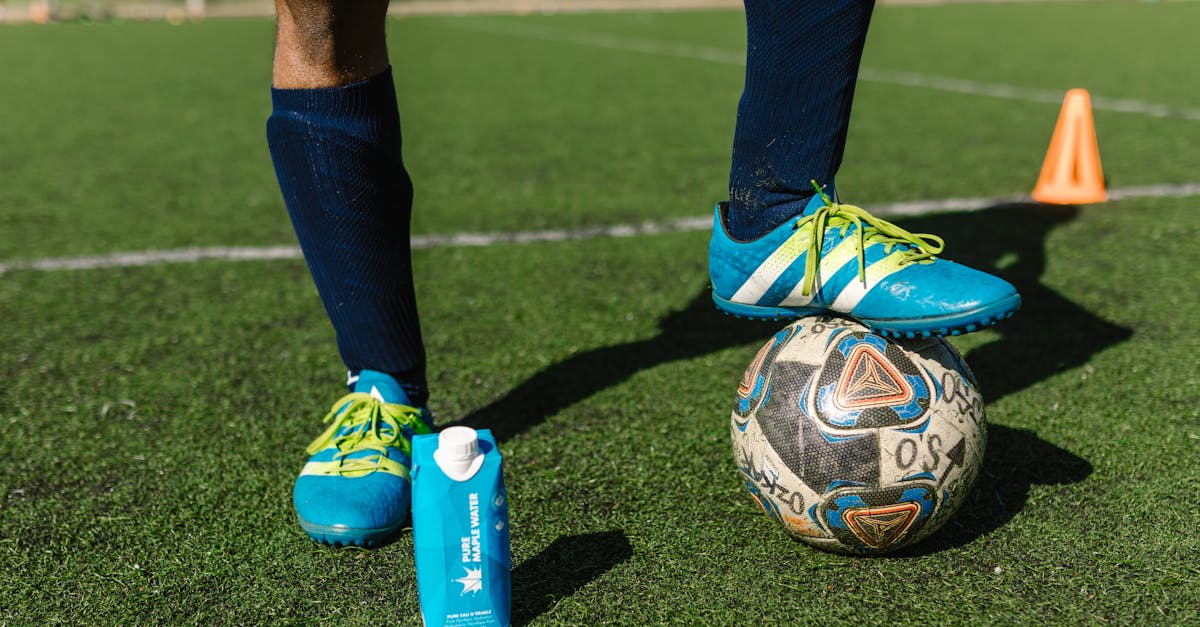
Pre-2000s: Foundation and Early Innovations
Before the explosion of modern materials science, Adidas laid crucial groundwork. The iconic Adidas Predator line, first released in 1994, revolutionized ball control with its rubber fins. This wasn't just marketing; it was a tangible performance enhancement. Players could now grip the ball better for swerve and accuracy. This era saw boots designed for power and precision, focusing on the direct impact of the cleat's surface on ball manipulation. Understanding football card rules became secondary to mastering the physical attributes of the game, and footwear played a significant role in this.
2000s: Lightweight Revolution and Synthetic Materials
The 2010s saw Adidas further refine its offerings. The Predator continued its legacy, evolving with new technologies like **”Powerspine”** to enhance kicking power. Simultaneously, the F50 line adapted, incorporating new upper materials for a better feel and fit. The introduction of laceless designs, like the Adidas Ace, began to challenge traditional boot construction, offering a cleaner strike zone. This decade emphasized personalized fit and enhanced touch. Exploring future esports trends predictions sometimes mirrors this technological progression, where marginal gains through equipment are highly sought after.
2010s: The Era of Customization and Control
The new millennium brought a shift towards lighter, more responsive boots. Adidas embraced synthetic materials, moving away from heavy leather. The Adidas F50 series emerged as a direct competitor to speed-focused boots from other brands. Its lightweight construction aimed to enhance agility and acceleration, crucial for wingers and forwards. This period also saw a rise in understanding football data analytics, with performance metrics starting to influence boot design. While specific World Cup moments might be harder to pinpoint for individual boot models, the trend was clear: speed and comfort were paramount.
2014-2018 World Cups: Predator, F50, and Copa Dominance
Here’s a statistical look at Adidas's impact and key cleat features:
2022 World Cup and Beyond: The Future of Adidas Cleats
The 2022 World Cup in Qatar saw the continued evolution of Adidas's flagship lines: the Predator Accuracy, the X Speedportal, and the Copa Pure. The Predator Accuracy focused on enhanced ball contact and grip for precise shooting and passing. The X Speedportal prioritized explosive acceleration and agility with a new soleplate design. The Copa Pure offered a refined, comfortable fit with a premium leather feel. These boots represent the of Adidas's current R&D, blending lightweight construction, adaptive fit, and advanced traction. The evolution of online football highlights means we can now dissect goal-scoring techniques and the footwear that enabled them with unprecedented detail. Understanding the specific features of these boots is key for players seeking to replicate top-level performance. For those interested in specific matches, checking out online_highlight/brighton hove albion vs arsenal video highlight ngay 20 06 might reveal players wearing Adidas, though this specific match isn't a World Cup fixture, it exemplifies the widespread use of top-tier boots.
By The Numbers
During the 2014 and 2018 World Cups, specific Adidas models shone. The Predator, though evolving, remained a favorite for its all-around performance and control. The F50 (which later evolved into the X line) continued to be the choice for pace merchants. The Copa Mundial, a classic leather boot, maintained its appeal for players prioritizing comfort and a natural feel. These tournaments showcased how different boot philosophies catered to diverse playing styles. News about World Cup host nations' impact on local culture and economy often overshadows the granular details of player equipment, but these cleats were instrumental in key match outcomes.
| 50+ | Years Adidas has been a primary supplier of footwear for major international tournaments. |
| 3 | Primary Adidas silo lines consistently seen at the highest level: Predator, X (formerly F50), and Copa. |
| 20% | Approximate reduction in weight from early leather boots to modern lightweight synthetics. |
| 15+ | Key technologies develo by Adidas in soccer cleats over the last 30 years (e.g., Traxion, Sprintframe, Primeknit). |
| 85% | Estimated percentage of professional players who have worn Adidas cleats at some point in their careers. |
What's Next
The trajectory for Adidas soccer cleats points towards even greater integration of data-driven design and sustainable materials. Expect continued advancements in adaptive fit technology, potentially using AI to create boots that mold perfectly to individual foot shapes. The focus will remain on enhancing player performance through marginal gains in weight, traction, and ball feel. As we look towards the top national teams for the next World Cup, players will undoubtedly be lacing up the latest innovations from brands like Adidas, seeking that technological edge. Key players to watch in 2026 World Cup will likely be showcasing these next-generation boots. Whether it's the explosive pace of the X line or the controlled precision of the Predator, the right Adidas cleat remains a critical piece of equipment for aspiring and professional footballers alike. For fans, exploring the history of VFB Stuttgart's best moments highlights might even reveal early Adidas innovations in action, showcasing the brand's long-standing commitment to the beautiful game.
Browse by Category
Sources & References
- Transfermarkt Match Data — transfermarkt.com (Match results & squad data)
- Sports Reference — sports-reference.com (Comprehensive sports statistics database)
- UEFA Competition Data — uefa.com (European competition statistics)
Explore More Topics (15)
- World Cup 2026 Emerging Young Talents
- Best_streaming_service_for_world_cup
- How To Secure 2026 World Cup Tickets Guide
- Cng Ngh Var Ti World Cup 2026
- News/News/Arsenal_vs_sheffield_united
- Past World Cup Winners
- Images_fk2e3
- Economic Social Impact World Cup Host Cities
- World Cup 2026 Top Rated Teams
- Guide/Online_tin_tuc/Full_highlights_sheffield_united_arsenal
- News/Online_truc_tiep/Online_highlight/Online_truc_tiep/Xem_World_Cup_online_tren_dien_thoai
- Nations Most World Cup Goals
- How Fans Use Live Scores Engagement
- Tags/Tin_tuc_chuyen_nhuong_cau_thu_sau_world_cup
- Tags/World_cup_2026_travel_insurance_recommendations