World Cup 2026 Stadium Seating Charts: Your Practical Guide to Prime Viewing | tin tuc chuyen nhuong cau thu sau world cup
Navigate World Cup 2026 stadium seating charts like a pro. This guide offers expert insights on understanding layouts, choosing the best seats, and maximizing your matchday experience in North America.
The Story So Far
The FIFA World Cup 2026 is set to be the largest tournament in history, expanding to 48 teams and hosted across three North American nations: Canada, Mexico, and the United States. This monumental event means a vast array of stadiums, each with unique configurations and capacities. Understanding the stadium seating charts is paramount for any fan planning to attend. It's not just about getting a ticket; it's about securing a view that enhances the spectacle, ensuring you don't miss a single crucial moment. From the roar of the crowd to the tactical nuances on the pitch, your vantage point shapes the entire experience. Over 5.5 million fans are expected to attend matches, making early planning essential.
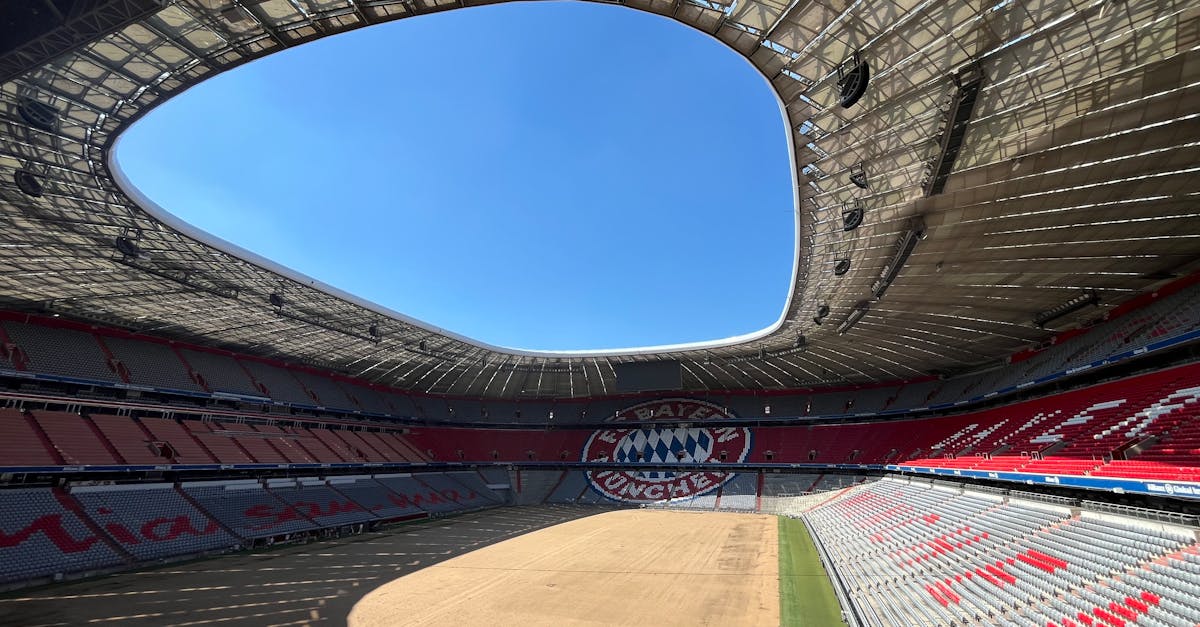
November 2022: Initial Bid and Stadium Concepts Emerge
The selected venues fall into a few general categories, each with implications for seating charts:
June 2023: Host Cities and Stadiums Officially Announced
As the tournament draws closer, crucial details begin to surface. FIFA typically releases preliminary ticket information and pricing tiers in phases, often starting with ballots and priority sales. This is when the first official stadium seating charts for World Cup 2026 begin to become available. Understanding these charts is key to making informed purchasing decisions. Knowing how much tickets cost for World Cup 2026 in the US is directly tied to seat location, category, and match importance. For instance, premium seats in lower bowls will command the highest prices, while upper deck or corner seats offer more affordable options. The release of official stadium maps allows fans to visualize their matchday experience, considering factors like access points, concessions, and restroom proximity.
Understanding Stadium Archetypes for Seating
The joint bid from Canada, Mexico, and the United States, known as the United 2026 bid, was officially awarded the hosting rights by FIFA in June 2018. While specific stadium selections were years away, the initial bid highlighted potential venues. These included iconic arenas and modern sports complexes across the continent. The vision was clear: leverage existing, world-class facilities to minimize construction and maximize fan access. This early stage was crucial for setting the groundwork for what would eventually become the official list of host cities and stadiums. The bid committee emphasized the infrastructure already in place, a key factor in selecting venues capable of handling massive crowds and complex logistics.
- Football-Specific Stadiums: These offer the most traditional and often best sightlines for soccer, with stands closer to the pitch. Examples include BMO Field in Toronto or Lumen Field in Seattle.
- Multi-Purpose Stadiums (Domed/Retractable Roof): Often the largest venues (like AT&T Stadium in Dallas or SoFi Stadium in Los Angeles), these offer weather protection and massive capacities. Seating charts here might feature more extreme upper decks and potentially obstructed views in certain areas due to the stadium's sheer size or architectural features.
- American Football Stadiums: These are common in the US and offer large capacities. Their layouts can sometimes mean longer distances to the pitch, and the typical end-zone seating might be less desirable for soccer compared to a European-style stadium.
For fans planning travel, remember to research how to stay safe traveling for the World Cup. This includes understanding local transport options from your accommodation to the stadium, which can be influenced by your seating location and preferred exit route.
Late 2023 - Mid 2024: Ticket Information and Seating Chart Release
After years of evaluation and planning, FIFA officially announced the 16 host cities and their respective stadiums in June 2023. This announcement was a watershed moment, transforming abstract possibilities into concrete realities. Cities like Atlanta, Boston, Dallas, Guadalajara, Houston, Kansas City, Los Angeles, Mexico City, Miami, Monterrey, New York/New Jersey, Philadelphia, San Francisco Bay Area, Seattle, Toronto, and Vancouver were selected. Each stadium brings its own characteristics, impacting sightlines, atmosphere, and accessibility. For fans, this meant the start of serious logistical planning, including understanding the specific stadium blueprints and anticipating ticket availability. The comparison to previous tournaments, such as the more compact nature of the World Cup 2022 in Qatar, highlights the logistical scale of 2026.
Practical Tips for Navigating Seating Charts
The World Cup 2026 is defined by its scale:
- Identify the Match and Stadium: Confirm the specific stadium and section for your desired match.
- Understand Seat Categories: Charts will denote different tiers (e.g., Category 1, 2, 3) corresponding to price and location. Category 1 is typically the best, often centered and at mid-level.
- Check Sightlines: Look for potential obstructions. Some seats, especially in large multi-purpose stadiums, might have limited views due to pillars, railings, or the angle of the stands. Diagrams often highlight these.
- Consider Proximity to Action: Do you prefer an aerial view of the entire pitch, or to be closer to the goal-line action? Seating charts will help you decide.
- Note Stair Access: Be aware of how many stairs you'll need to climb or descend. Upper decks often involve many steps.
- Factor in the Sun/Weather: In open-air stadiums, consider the sun's position during the match time. Some seats might be in direct sun for the entire game.
Here’s how to approach World Cup 2026 seating charts:
By The Numbers
When examining seating charts, look for sections directly behind the goals for passionate fan experiences, or the halfway line for tactical overviews. The proximity of seats to the pitch is a critical factor in the overall viewing quality.
- 16 Host Cities: Across Canada, Mexico, and the USA.
- 48 Teams: The largest number of participating nations in World Cup history.
- 3 Stadiums with 80,000+ Capacity: Including MetLife Stadium (NYC/NJ), AT&T Stadium (Dallas), and Estadio Azteca (Mexico City), offering immense seating potential.
- Average Stadium Capacity: Estimated to be around 67,000 seats, significantly higher than previous tournaments.
- Opening Match: Scheduled for June 11, 2026, at Estadio Azteca, Mexico City.
What's Next
The coming months will see the finalization of the match schedule, including specific kick-off times and the assignment of matches to stadiums. This will allow for the release of detailed seating charts for every game. Fans must remain vigilant for official announcements from FIFA regarding ticket sales, ballot results, and the full suite of ticketing packages, including hospitality options. Understanding these seating charts proactively will be the difference between a memorable matchday experience and one marred by poor viewing. As the tournament approaches, staying informed about the latest world cup 2026 c thm i no updates and the cng b lch thi u chi tit world cup 2026 will be crucial for all prospective attendees aiming for the best seats and a seamless journey to the greatest show on earth.
Browse by Category
Sources & References
- FIFA Official Statistics — fifa.com (Official match data & records)
- Opta Sports Analytics — optasports.com (Advanced performance metrics)
- ESPN Score Center — espn.com (Live scores & match analytics)