World Cup 2026 Stadiums: A Practical Guide
Explore the modern stadiums hosting World Cup 2026. Get a practical guide to venues, fan experience, and logistical tips for attending the tournament.
World Cup 2026 Stadiums: A Practical Guide
Did you know that the average capacity of a World Cup 2026 host stadium is over 68,000? This colossal scale sets the stage for an unprecedented global event, but navigating it requires foresight. This guide offers a practical approach to understanding the venues and enhancing your World Cup 2026 experience.
The Story So Far
The initial phases of the World Cup 2026 bid focused on identifying key cities and their potential host venues. The organizers aimed for a geographically diverse spread to engage fans across North America. This period involved detailed assessments of stadium infrastructure, including seating capacity, technological integration, and fan amenities. Considerations for accessibility were paramount; cities with major international airports and well-develo public transport systems were favored. This strategic placement is crucial for fans planning their travel, allowing for easier movement between host cities and provinces. Understanding the logistical hubs early on is the first step in creating a seamless World Cup 2026 game day experience.
Early Planning: Venue Selection and Accessibility (2017-2018)
As the tournament draws nearer, the practicalities of fan movement and accommodation become critical. This period is about fine-tuning transportation strategies and ensuring sufficient lodging options. Host cities are working on integrated transport plans, combining public transit, ride-sharing, news/online_truc_tiep/internal_link_to_mua_bong_da_world_cup_adidas and designated fan shuttles. For fans, this means researching the best ways to get to and from stadiums on match days. Booking accommodation well in advance is essential, given the influx of international visitors. Understanding the nuances of each city's transport network, from Vancouver's SkyTrain to Dallas's extensive highway system, is key to avoiding travel stress. This detailed planning is akin to how one might approach how to choose your fantasy soccer team for the World Cup, requiring research and strategic selection.
Infrastructure Development and Stadium Upgrades (2019-2023)
Following the official selection of host cities, the focus shifted to targeted infrastructure development and stadium upgrades. While many stadiums were already world-class, specific enhancements were undertaken to meet FIFA's evolving standards. These upgrades often included improved broadcasting facilities, enhanced fan zones, and technological advancements like advanced Wi-Fi connectivity and digital ticketing. For fans, this translates to a more immersive and comfortable experience. For instance, upgrades at SoFi Stadium in Los Angeles or the Estadio Azteca in Mexico City aim to leverage cutting-edge technology to enhance spectator engagement. Analyzing these upgrades helps in understanding the unique offerings of each venue. This phase also saw discussions around potential challenges, such as ensuring consistent standards across different national contexts, a point often raised when considering the cultural challenges foreign coaches in Vietnam might face, but applied here to the diverse operational environments within the host nations.
Logistical Masterclass: Transportation and Accommodation (2024-2025)
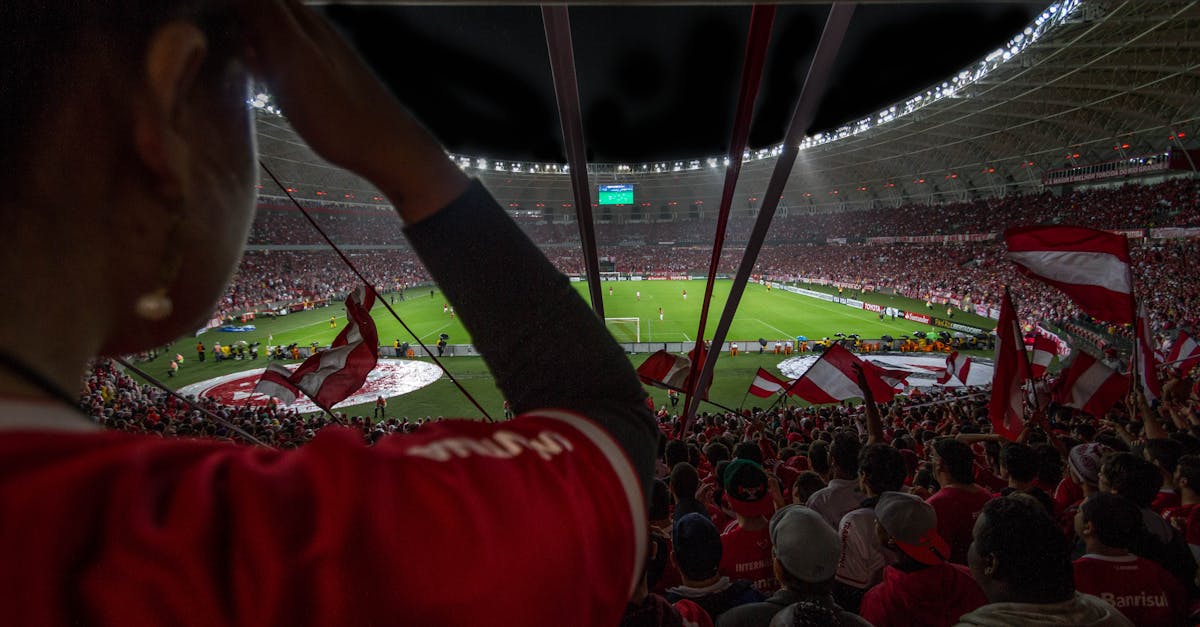
On match days, the modern stadiums hosting World Cup 2026 promise a spectacular experience. Expect advanced security measures, diverse food and beverage options, and vibrant fan zones outside the stadiums. Many venues are designed with multi-purpose functionality, offering more than just football. For example, dark horses 2026 world cup which team will surprise understanding the fan experience at Brighton Hove Albion vs Swansea City video highlight ngay 23 09, even though from a different league, can offer insights into effective fan engagement strategies. Fans should familiarize themselves with stadium rules, prohibited items, and entry procedures to ensure a smooth arrival. Utilizing digital ticketing and venue apps will be crucial for accessing real-time information, from gate times to concession availability.
Matchday Experience: What to Expect (2026)
The journey to selecting the host cities and stadiums for the 2026 FIFA World Cup has been a strategic one, blending established footballing nations with emerging markets. The United Bid, comprising the United States, Canada, and Mexico, presented a compelling case focused on existing infrastructure and vast logistical capabilities. This approach minimizes the need for new construction, emphasizing sustainability and maximizing the use of state-of-the-art facilities already in place. The selection process prioritized cities with robust transportation networks, ample accommodation, and stadiums that meet FIFA's stringent requirements for hosting major tournaments. This ensures a high standard of fan experience and operational efficiency across all venues.
By The Numbers
- 68,000+: Average capacity of World Cup 2026 host stadiums.
- 16: Number of host cities across three countries.
- 3: Number of host nations (USA, Canada, Mexico).
- 2026: The year the tournament will be held.
- 104: The number of matches to be played, an increase from previous tournaments.
What's Next
The upcoming months will see the finalization of ticketing information, match schedules, and specific fan engagement programs. The focus will be on communicating these details clearly to a global audience. Further analysis of the evolution of football coaching tactics will be important as teams adapt to the demands of a longer tournament and diverse playing conditions. Fans should stay tuned to official channels for the most up-to-date information on creating the ultimate World Cup 2026 game day experience. The anticipation builds, and with careful planning, attending the World Cup 2026 promises to be an unforgettable journey.
Browse by Category
Sources & References
- UEFA Competition Data — uefa.com (European competition statistics)
- FIFA Official Statistics — fifa.com (Official match data & records)
- Opta Sports Analytics — optasports.com (Advanced performance metrics)