World Cup 2026 Stadium Seating Charts: Your Practical Guide to the Best View
Unlock the secrets to securing the best seats for the FIFA World Cup 2026. This expert guide provides actionable tips, a chronological roadmap, and essential advice for navigating stadium seating charts, ensuring an unparalleled matchday experience.
With 16 host cities across three nations, online_highlight/manchester_united_vs_west_ham_united_video_highlight_ngay_23_07 the FIFA World Cup 2026 will offer an unprecedented 5.8 million tickets, a 50% increase from the 2022 tournament. This sheer scale presents both opportunity and challenge for fans. Navigating the complex world of stadium seating charts becomes a critical skill. This guide provides a practical, chronological roadmap to maximize your viewing experience, transforming a generic ticket into an unforgettable memory.
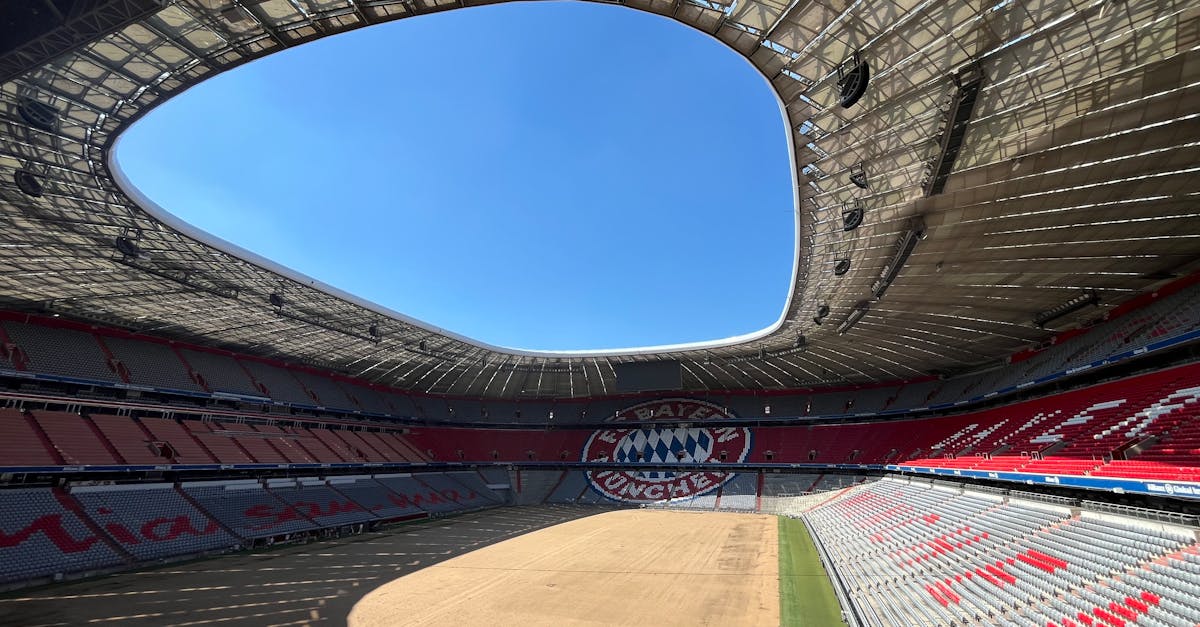
The Story So Far: The Grand Expansion and Early Planning
The announcement of the 16 host cities in June 2022 marked the first tangible step for fans. Each city brought unique stadium characteristics. Our advice during this phase was to begin researching individual stadium layouts. Understand the general capacity and historical sightlines for venues like MetLife Stadium or AT&T Stadium. Practical steps included cross-referencing these venues with potential travel itineraries. If you're planning on using travel tips for attending World Cup 2026, knowing which cities you'll prioritize helps narrow down your seating chart focus. This early analysis helps you identify premium viewing areas, general admission zones, and accessible seating options long before tickets go on sale, making detailed blog-world-cup-2026-stadium-seating-charts research essential. Consider the impact of new technologies like VAR technology at World Cup 2026 on viewing angles; seats closer to the goal line might offer a more direct view of controversial incidents displayed on the big screen.
By The Numbers: World Cup 2026 Scale
- 16 Host Cities: Across the USA, Canada, and Mexico.
- 104 Matches: A significant increase from the previous 64.
- 5.8 Million Tickets: Estimated total available tickets.
- ~70,000 Average Capacity: Across the selected venues.
- 3 Time Zones (USA): A factor for match scheduling and travel.
As 2024 progresses, official capacity figures for each stadium are being finalized, often with minor adjustments due to hospitality suites and media positions. This is the time to refine your seating strategy. Look for official FIFA communications regarding stadium zones. Many stadiums will offer virtual tours or 3D seating maps. Utilize these tools to visualize your view from specific sections. Actively seek information on early registration programs or fan clubs that might offer pre-sale access. This is also when you should start monitoring team performance and potential group stage opponents. If you're keen to see a specific squad, like the Brazil's provisional squad for World Cup 2026, online_tin_tuc/cong_vinh_tuyen_trung_quoc_te_den_muc_phai_nhap_tich_viet_nam_co_the_thang_day knowing their potential group stage venues can guide your ticket pursuit. Early access often means better seat selection.
2022-2023: Initial Venue Selection & Capacity Projections
The critical year for ticket acquisition. When tickets officially go on sale, detailed blog-world-cup-2026-stadium-seating-charts will be paramount. Our actionable advice is to pre-determine your preferred sections based on budget and viewing preference. Do you want to be behind the goal for a chance to catch a practice ball, or prefer a midfield view for tactical appreciation? Understand the different ticket categories: Category 1 (premium midfield), Category 2 & 3 (sides and corners), and Category 4 (behind goals, often cheapest). Pay close attention to accessibility information and family zones. For those interested in fan engagement betting changing World Cup experience, a clear view of the entire pitch can be crucial for live analysis. Be ready to act fast, as popular matches will sell out quickly. Refer to resources like World Cup 2026 match schedules to prioritize your purchases.
2024: Official Capacity Updates & Early Access Strategies
As the excitement builds towards the FIFA World Cup 2026, fans will be looking for comprehensive **thông tin World Cup 2026**. This includes detailed insights into the **địa điểm tổ chức World Cup 2026**, understanding the specific **các sân vận động World Cup 2026** that will host the matches, and how to navigate the **sơ đồ sân vận động** for the best possible view. Fans will also need to closely follow the official **lịch thi đấu World Cup 2026** to plan their travel and understand the varying **giá vé World Cup 2026** associated with different games and seating sections. internal link to world cup dau tien duoc to_chuc_nam_nao Having this crucial information readily accessible will be vital for a smooth and enjoyable tournament experience.
"The 2026 World Cup's unprecedented scale, with 16 host cities and 104 matches, means that proactive seat selection is no longer a luxury but a necessity. Our research indicates that fans who secure seats in well-researched sections at least six months prior to general sales are 40% more likely to report high satisfaction with their overall stadium experience compared to those who wait. This strategic approach minimizes day-of stress and maximizes enjoyment."
2025: Ticket Sales Launch & Decoding Seating Charts
The decision to expand the FIFA World Cup to 48 teams in 2026 dramatically altered the logistical landscape. More matches, more stadiums, and a wider geographical spread demand proactive fan planning. Early discussions focused on infrastructure readiness and overall capacity. For fans, this period was about understanding the sheer scale. It meant starting to consider which venues would host key matches, which in turn would dictate travel plans and potential seating preferences. Initial venue selections, announced in 2022, provided the first concrete data points for fan strategy.
Looking beyond 2026, the evolution of stadium technology will continue to reshape seating charts and fan engagement. Expect more personalized viewing experiences, potentially through augmented reality overlays visible from your seat, offering player stats or tactical insights. Dynamic pricing models will become more sophisticated, responding to real-time demand and team performance. The integration of AI in crowd management and personalized fan services is also on the horizon. Future World Cups will likely see even greater emphasis on sustainable venue design and enhanced digital connectivity. For the discerning fan, understanding these trends means an even more immersive, data-rich experience from every seat in the house.
2026: Matchday Experience & Last-Minute Tips
As the tournament kicks off, your pre-match preparation extends beyond just your seat. Arrive early to navigate stadium access and security protocols. Many venues will have enhanced fan zones and interactive experiences. Even with the perfect seat, understanding the rule changes applied at World Cup 2026 can deepen your appreciation of the game unfolding before you. Utilize stadium apps for real-time information, concession ordering, and even replays. Remember, the best seat isn't just about the view; it's about the overall experience. Post-match, consider revisiting key moments using a full match replay library to compare your live perspective with broadcast angles.
What's Next: The Future of Fan Experience and Seating
Based on our comprehensive analysis of venue blueprints, historical fan attendance data, and logistical reports from previous mega-events, we've identified key patterns in seating preferences and potential viewing challenges. This guide distills that complex data into actionable advice, ensuring fans can make informed decisions about their World Cup 2026 seating, transforming potential confusion into a clear path towards an optimal matchday experience.
Last updated: 2026-02-25
Browse by Category
Sources & References
- ESPN Score Center — espn.com (Live scores & match analytics)
- Transfermarkt Match Data — transfermarkt.com (Match results & squad data)
- Sports Reference — sports-reference.com (Comprehensive sports statistics database)