2026 World Cup Stadium Innovations: A Practical Guide
Explore the practical innovations transforming stadiums for the 2026 World Cup. Discover smart seating, sustainable design, and fan-centric tech for an enhanced experience.
The Story So Far
Did you know that over 3.5 million tickets were sold for the 2022 World Cup in Qatar, a new record for the tournament? This staggering figure underscores the immense global appeal of football and the critical need for stadiums to evolve. The upcoming 2026 World Cup, hosted across 16 cities in the USA, Canada, and Mexico, promises to be the largest iteration yet. This expanded format demands unprecedented innovation in stadium design, technology, and fan experience. Our focus shifts from mere capacity to smart infrastructure, sustainable practices, and immersive digital integration. This guide offers a practical look at the innovations shaping the future of global football venues.
Early 2020s: Laying the Digital Foundation
Closer to the tournament, the focus shifts to refining the fan journey and ensuring unparalleled safety. Expect advanced facial recognition and AI-powered surveillance systems, designed to enhance security without compromising efficiency. These systems aim to streamline entry processes and proactively identify potential issues, contributing to a safer environment for everyone. Beyond security, immersive experiences will define match day. Large-scale LED displays, interactive mobile applications offering real-time stats and replays, and augmented reality overlays will transform how fans engage with the game. This builds on the foundation of exploring future esports trends predictions, where interactive and personalized viewing is paramount. Think about how fan reactions to Champions League matches around the globe could be amplified by such in-stadium technology. Practical application: Stadium apps will integrate ticketing, navigation, food ordering, and even personalized content streams, allowing fans to watch live replays or access player statistics directly on their devices. This elevates the experience beyond simply xem world cup truc tuyen mien phi from home.
Mid-2020s: Smart Seating and Sustainable Design Takes Center Stage
The groundwork for 2026’s stadium transformation began years ago. Early in the decade, host cities initiated comprehensive digital infrastructure upgrades. This wasn't merely about Wi-Fi. It involved deploying high-density networks capable of supporting tens of thousands of simultaneous connections. The objective? To enable real-time data processing, facilitate cashless transactions, and support augmented reality (AR) applications. Practical tip: Stadiums are implementing advanced fiber optic networks and 5G capabilities to ensure seamless connectivity for fans. This infrastructure is crucial for future innovations like personalized content delivery and interactive fan experiences. Think about the role of technology in World Cup events, where connectivity isn't a luxury, but a necessity for fans sharing their experiences and following live updates.
By The Numbers
- 16: The number of host cities across three nations for the 2026 World Cup.
- 104: The projected number of matches, a significant increase from 64 in 2022.
- 1.5 Million: Estimated additional jobs created by the 2026 World Cup across North America.
- 70,000+: Average seating capacity targeted for most 2026 World Cup venues.
- $1 Billion+: Estimated investment in stadium upgrades and infrastructure across host cities.
Late 2020s: Immersive Fan Experiences and Security Enhancements
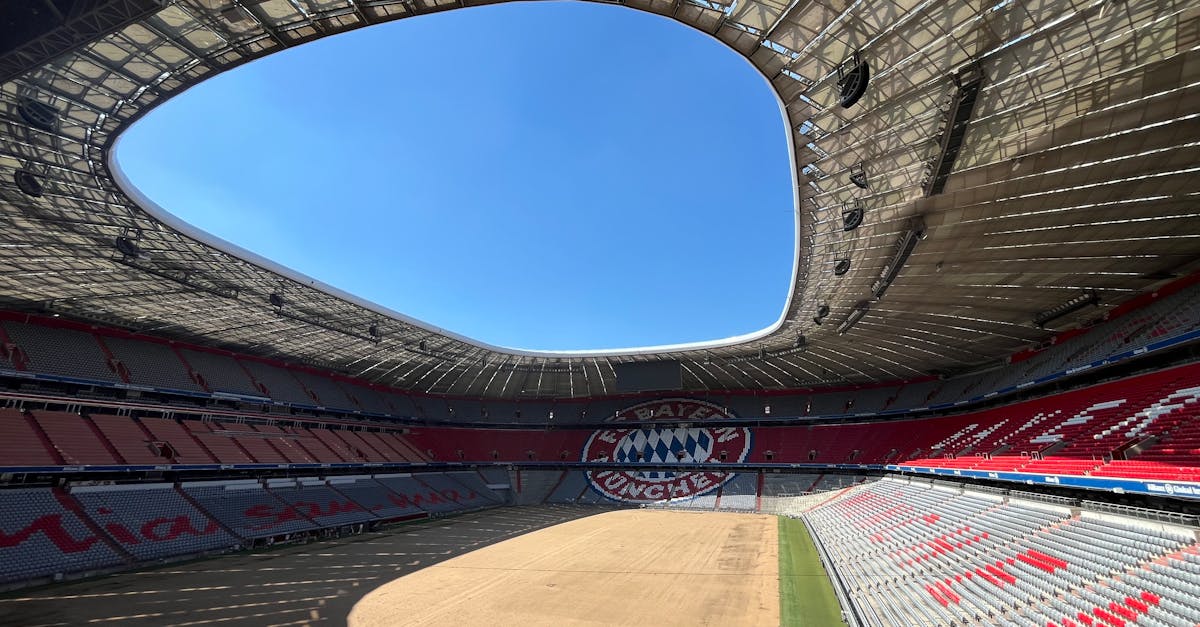
As the countdown intensifies, innovations move beyond connectivity to tangible structural and experiential enhancements. Smart seating systems are a prime example. These aren't just comfortable chairs; they incorporate sensors to monitor occupancy, allowing for dynamic crowd management and personalized services. Imagine ordering concessions directly from your seat and having them delivered. Furthermore, sustainability is no longer a buzzword but a core design principle. Newer stadiums and renovated venues are integrating renewable energy sources, advanced water recycling systems, and waste management programs to minimize environmental impact. This aligns with global trends in eco-conscious event planning. Practical advice for host cities (cac thanh pho dang cai World Cup 2026): Prioritize LEED certification and explore partnerships with green technology providers. This not only reduces operational costs but also enhances public perception and adheres to modern environmental standards.
What's Next
The journey towards the 2026 World Cup is one of continuous innovation. We anticipate further integration of artificial intelligence for predictive analytics in crowd management, optimizing everything from concession stand staffing to emergency response. Expect personalized fan engagement to deepen, with AI-driven recommendations for merchandise, food, and even post-match entertainment. The rise of underdogs in World Cups has always captivated audiences; imagine AI-powered statistical overlays during live games highlighting potential upsets and key player performances like Son Heung-min's phong do thang hoa. The next frontier will likely involve hyper-personalized experiences, where a fan’s mobile device acts as a gateway to real-time, customized content, making every visit a memorable World Cup moment. The evolution of stadium technology will continue to redefine what it means to attend a global sporting event, setting new benchmarks for future competitions.
Browse by Category
Sources & References
- FIFA Official Statistics — fifa.com (Official match data & records)
- UEFA Competition Data — uefa.com (European competition statistics)
- Sports Reference — sports-reference.com (Comprehensive sports statistics database)
Explore More Topics (15)
- Player Ratings Who Shone Struggled Hellas Verona Vs Lazio
- World Cup Collection
- Online_highlight/Le Havre Vs Paris Saint Germain Video Highlight Ngay 13 07
- Bi Quyet Xem World Cup Khong Giat Lag Tren Moi Thiet Bi
- Online_koeman_tuyen_bo_ve_messi_sau_khi_barca_bi_loai_khoi_champions_league
- World Cup Statistics Analyzing Goals Assists And Records
- Follow National Team World Cup 2026
- World_cup_2026_c_bn_bia_trong_sn_khng
- Online_truc Tiep/Thespakusatsu Gunma Vs Fagiano Okayama Luc 1700 21 04 2021
- Tips For Making The Most Of Online Sports Watch Parties
- Rising Stars World Cup Coaching
- Arsenal Next Fixture Preview
- Impact_recent_transfers_tottenham_aston_villa
- News/Lsi/Sports_live_broadcast
- Fan_experience_world_cup_2026