The Evolution of FIFA World Cup Hosting: A Chronological Deep Dive
Explore the fascinating history of FIFA World Cup hosting, from early bids to modern mega-events. Analyze trends, challenges, and the future of global football's premier tournament.
The Story So Far
The FIFA World Cup, arguably the of global football competition, has a rich and evolving history of hosting. What began as a modest tournament in 1930 has transformed into a multi-billion dollar spectacle, influencing infrastructure, economies, and national pride. news/guide/online_tin_tuc/internal_link_to_danh_gia_nha_cai_ca_cuoc_world_cup Understanding this evolution is crucial for appreciating the complexities of modern mega-event bids and the future of international sports. For instance, the sheer scale of recent tournaments means that the decision-making process for hosting involves far more than just sporting merit; it encompasses geopolitical considerations, economic projections, and logistical feasibility. This journey from Uruguay to Qatar, and looking ahead to the shared hosting of 2026, reveals a dramatic shift in how the world's biggest sporting event is organized and experienced.
1930: The Inaugural Host - Uruguay
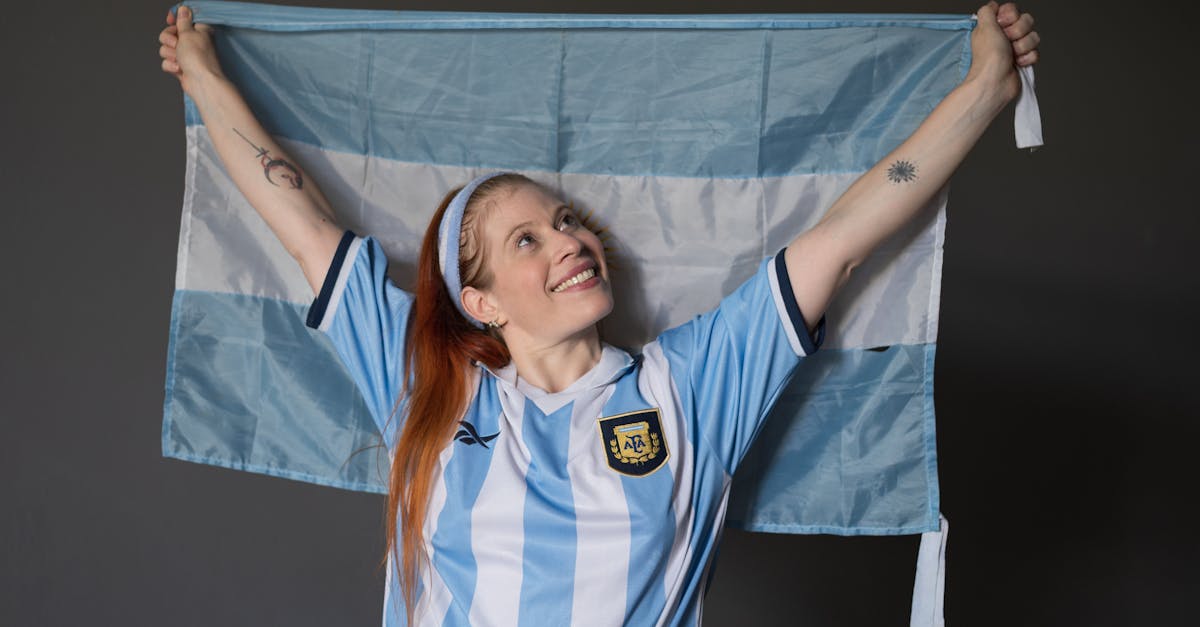
The tournament expanded significantly during this period. Argentina hosted in 1978, followed by Spain in 1982 with an expanded 24 teams. Mexico step in again for 1986 after Colombia withdrew, a testament to its organizational capabilities. Italy (1990) and the United States (1994) hosted, with the latter proving the commercial viability of the sport in non-traditional markets. France hosted in 1998, expanding the field to 32 teams. This era demanded substantial investment in infrastructure, including new stadiums, improved transport networks, and enhanced security. The growing number of participating nations and global viewership meant greater logistical challenges and increased media attention. The evolution of online sports betting also began to gain traction during this period, offering new ways for fans to engage with the global football scores news.
1950-1970: Post-War Resurgence and European Dominance
This period saw the World Cup venture into Asia for the first time with South Korea and Japan co-hosting in 2002. coach player dynamic world cup success Germany hosted in 2006, followed by South Africa in 2010, the first African nation to host. Brazil returned in 2014. These tournaments highlighted the immense economic impact and legacy potential of hosting. South Africa, in particular, used the event to drive infrastructure development. The scale of operations increased dramatically, requiring sophisticated security, advanced broadcasting, and extensive accommodation. The challenges of co-hosting, as seen in 2002, also became apparent, demanding seamless coordination. This era also saw the rise of advanced analytics in football, influencing how teams prepare and play, a trend visible in highlights like the online_highlight leicester city vs manchester city video highlight ngay 04 04.
1978-1998: Expansion and Global Reach
Russia hosted in 2018 amidst geopolitical scrutiny. Qatar hosted in 2022, a controversial choice due to human rights concerns and its unique winter scheduling. This tournament heavily relied on advanced technology for fan experience and operational efficiency. Looking ahead, the 2026 World Cup will be jointly hosted by the United States, Canada, and Mexico, marking the first time three nations share hosting duties and the largest tournament yet with 48 teams. This shared model is a direct response to the escalating costs and complexities of single-nation hosting. The introduction of new rules and regulations, such as the nhng thay i lut bng p dng world cup 2026, indicates a continuous effort to adapt the game itself. Fans will also be looking for ways to follow the action, exploring options like how to stream world cup 2026 matches from anywhere and internal link to lich phat song world cup 2026 tren vtv. The increasing global interconnectedness means events like the october 16 match can be followed instantly worldwide, impacting everything from fan engagement to betting markets.
2002-2014: Diverse Hosts and Economic Impact
Following a 12-year hiatus due to World War II, the World Cup returned in 1950, hosted by Brazil. This era saw a gradual increase in participating teams and a growing global interest. Brazil's passion for football made it a natural host, though the Maracanazo tragedy left an indelible mark. Subsequent tournaments were predominantly hosted in Europe: Switzerland (1954), Sweden (1958), England (1966), and Mexico (1970 - the first outside Europe or South America). Hosting duties during this period required developing or upgrading stadiums and improving transportation, but the scale remained manageable. The focus was on national sporting achievement and showcasing a country's recovery and identity. For those interested in the nuances of specific matches from this era, evolution of online football highlights imagine how teams like Lazio might approach set piece prowess against specific defensive structures, a tactical element that has always been present, even if not as analytically dissected as today.
2018-2026: Controversies, Technology, and Shared Hosting
The genesis of the World Cup saw Uruguay awarded the hosting rights for the inaugural tournament in 1930. This decision was largely symbolic, coinciding with Uruguay's centenary of independence. The nation's existing sporting infrastructure, including the Estadio Centenario, was sufficient for the limited number of participating nations (13, excluding withdrawals). The choice of Uruguay set a precedent for national pride and the potential of football to unite a country, even on a smaller scale than today's events. The practicalities were simple: limited travel, fewer teams, and a centralized location.
By The Numbers
| 13 | Number of teams in the inaugural 1930 World Cup. |
| 32 | The standard number of teams from 1998 to 2022. |
| 48 | The number of teams participating in the 2026 World Cup. |
| 100,000+ | Estimated capacity of the Estadio Azteca, a venue for multiple World Cups. |
| $220 billion | Estimated cost of hosting the 2022 World Cup in Qatar, a record figure. |
What's Next
The future of World Cup hosting is likely to be sha by sustainability, cost-effectiveness, and geopolitical stability. The shared hosting model for 2026 is a significant precedent. We may see more joint bids or regional hosting arrangements to distribute the immense financial and logistical burden. FIFA will continue to grapple with ethical considerations in host selection. Technological integration, from VAR to fan engagement platforms, will become even more sophisticated. The ongoing discussion about world_cup_n_v_world_cup_nam_khc_g_nhau (differences between men's and women's World Cups) and the continuous evolution of the sport, perhaps influenced by trends seen in domestic leagues like the premier league, will also shape future tournaments. The increasing accessibility of live action, akin to following online_highlight/newcastle_united_vs_leeds_united_video_highlight_ngay_18_09 or online_highlight/bayern munich vs ajax video highlight ngay 25 07, will ensure global viewership remains paramount. The internal link to so snh thuc ve world cup 2022 va 2026 provides further context on this dramatic shift in scale and organization.
Browse by Category
Sources & References
- Transfermarkt Match Data — transfermarkt.com (Match results & squad data)
- ESPN Score Center — espn.com (Live scores & match analytics)
- Opta Sports Analytics — optasports.com (Advanced performance metrics)
Explore More Topics (15)
- News/Nhng_ngi_sao_s_ta_sng_world_cup_2026
- Huy Hieu World Cup Cac Ky
- Exploring Dual Nationality Player Eligibility Vietnam
- Tags/Tft Guides/Goals_and_action
- World Cup Records Goals Wins Upsets
- Mua O I Tuyn World Cup Chnh Hng U
- Connect With Fans World Cup 2026
- Prepare For World Cup Party
- Champions_league_results_2026
- World_cup_fan_parks_viewing_parties
- Future Football Broadcasting Tech
- Evolution Of Goal Scoring In Football History
- Internal_link_to_young_player_profile
- Penalty Shootouts The Most Dramatic Moments In World Cup History
- Science Penalty Kicks Psychology Technique