World Cup Host Nations: A Deep Dive into Cultural and Economic Transformations
Explore the profound impact of hosting the FIFA World Cup on local cultures and economies, from infrastructure development to shifts in national identity. This guide offers insights into the benefits and challenges.
The Story So Far
Did you know that hosting the FIFA World Cup can inject billions into a nation's economy, but often comes with significant infrastructure costs and societal shifts? The quadrennial tournament is more than just a sporting event; it's a catalyst for profound, long-lasting changes in host countries. From the initial bids to the final whistle, the World Cup reshapes landscapes, economies, and even national identities. This analysis delves into the practical implications for host nations, examining the tangible effects on local culture and economic structures.
The Bidding Process and Early Investments: Pre-2000s
The turn of the millennium saw an acceleration in the scale of World Cup infrastructure projects. The 2002 World Cup in South Korea and Japan, for example, necessitated the construction of numerous new stadiums and upgrades to public transport. The 2010 World Cup in South Africa presented a unique challenge, requiring substantial investment in a nation with developing infrastructure. New airports, roads, and modern stadiums were built, aiming to boost tourism and create jobs. While these developments brought immediate economic activity through construction and increased visitor numbers, the long-term economic benefits often depended on how well these facilities were integrated into the local economy post-tournament. Analyzing the economic impact requires looking beyond construction jobs to sustained tourism and business growth. The legacy of these investments, both positive and negative, provides valuable lessons for future hosts.
Infrastructure Boom and Economic Stimulation: 2000s - 2010s
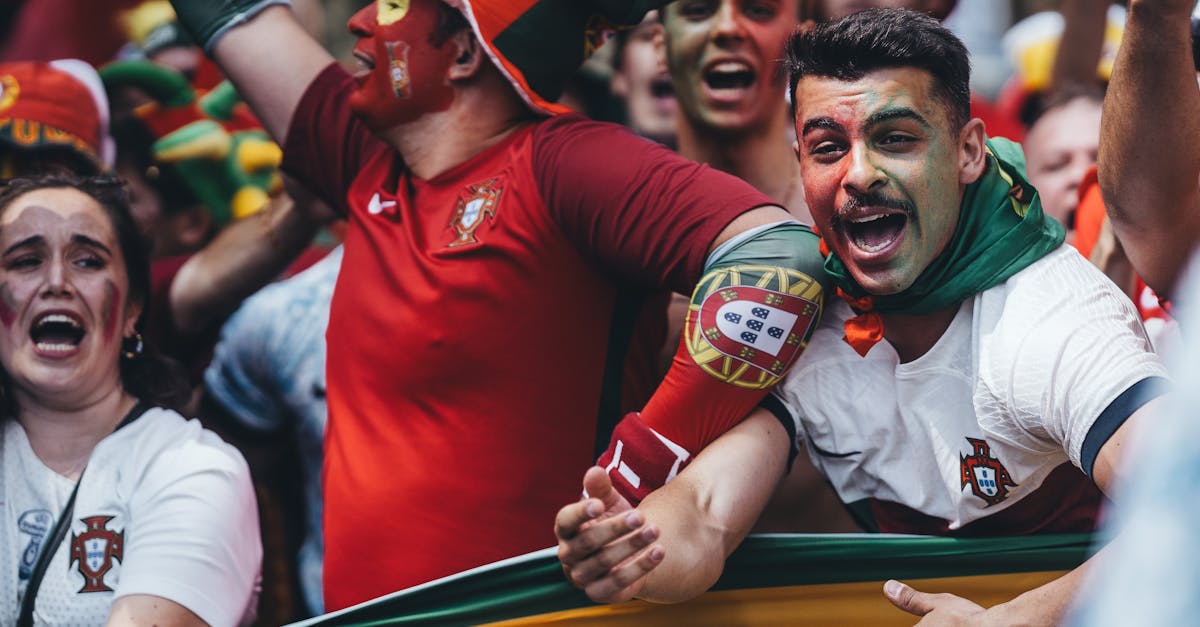
Hosting the World Cup provides an unparalleled platform for cultural exchange. Millions of fans descend upon the host nation, experiencing its traditions, food, and way of life firsthand. This can foster greater international understanding and boost national pride. However, it can also lead to cultural commodification or displacement. The influx of tourism can sometimes overshadow local customs, and the focus on global appeal might lead to the neglect of unique regional identities. For instance, the 2014 World Cup in Brazil saw widespread protests against the massive spending on the tournament amidst social inequalities. This highlights the delicate balance between showcasing a nation's culture to the world and preserving its authentic character. The role of youth players in representing their nation's spirit is also significant, embodying a hopeful future, much like the anticipation surrounding young players to watch in the World Cup 2026.
Cultural Exchange and National Identity: A Double-Edged Sword
The true measure of a World Cup's success often lies in its post-tournament legacy. Effective planning ensures that newly built stadiums find new purposes, transportation networks continue to serve the population, and the boost in tourism translates into sustained economic growth. Countries that have successfully leveraged their World Cup investments often implemented strategies for urban regeneration and tourism diversification. Conversely, 'white elephant' stadiums that fall into disuse represent a significant financial drain. The economic impact is multifaceted, extending to sectors beyond tourism, such as hospitality, retail, and local services. Examining global football scores today provides a snapshot of the sport's popularity, but the economic score for host nations is written over decades. This long-term perspective is critical for evaluating the true value of hosting.
Legacy Projects and Long-Term Economic Impact: Post-Tournament Analysis
The journey for a World Cup host nation begins years, sometimes decades, before the first match. The bidding process itself is a high-stakes endeavor, requiring extensive government commitment and significant upfront investment. Early bids often focused on showcasing national pride and a desire to join the global stage. For instance, countries like Mexico in 1970 and 1986, and Italy in 1990, invested heavily in stadiums and transportation networks. These projects, while intended to serve the tournament, laid groundwork for future development. The focus was primarily on demonstrating organizational capacity and national appeal. Understanding these early stages is crucial for appreciating the scale of commitment required, a lesson relevant even today when considering the potential for events like the 2026 World Cup, which will be co-hosted by the USA, Canada, and Mexico.
By The Numbers
| Statistic | Detail |
|---|---|
| $11 Billion | Estimated cost of the 2014 World Cup in Brazil, excluding stadium construction. |
| 3 Million | Approximate number of international visitors for the 2010 World Cup in South Africa. |
| 10 | Number of new stadiums built or extensively renovated for the 2018 World Cup in Russia. |
| 1.5% | Projected increase in GDP for Qatar due to the 2022 World Cup, according to some economic forecasts. |
| $2 Billion | Investment in infrastructure for the 2002 World Cup in South Korea and Japan, beyond stadium costs. |
What's Next
The landscape of hosting major international sporting events is continually evolving. With the 2026 World Cup set to be the first to feature three host nations (USA, Canada, Mexico), the logistical and economic models will undoubtedly shift. Future hosts will need to prioritize sustainability, community integration, and long-term economic viability over massive, one-off infrastructure projects. The impact of innovations like advanced broadcasting technologies and immersive viewing experiences, potentially enhancing the cc sn vn ng ng cai World Cup 2026, will also shape how the tournament is perceived globally. Furthermore, the lessons learned from the integration of technologies like VAR, as seen in matches like Sheffield United vs Arsenal, and the analysis of coaching styles in past tournaments, will inform strategies for future success. The focus will likely be on maximizing positive cultural exchange while minimizing economic and social disruption, ensuring a lasting, beneficial legacy for all involved.
Browse by Category
Sources & References
- Opta Sports Analytics — optasports.com (Advanced performance metrics)
- ESPN Score Center — espn.com (Live scores & match analytics)
- Transfermarkt Match Data — transfermarkt.com (Match results & squad data)
Explore More Topics (15)
- Premier League Kit Evolution
- Cam_nang_du_lich_world_cup_2026
- World_cup_2026_fixture_release_date
- Champions League Results Update
- Topic/Penalty Shootout Rules In The World Cup
- Tag/Xem World Cup Online Tren Dien Thoai
- Tags/Tft_guides/Meta
- Vietnam National Squad Strengthening Future Tournaments
- So_san_hanh_thuc_thuc_world_cup_2022_va_2026
- News/Internal_link_to_so_snh_thuc_te_world_cup_2022_va_2026
- Serie A Standings Update Verona Lazio Result Impacts Table
- Global_football_scores_review
- Next Generation World Cup Stars Expectations
- Full Match Replays Available Online
- Fan Culture In La Liga