World Cup 2026 Stadiums: Capacity, Features & Host Cities
Explore the World Cup 2026 stadiums, their capacities, unique features, and the host cities. Get insights into the infrastructure for this global event.
World Cup 2026 Stadiums: Capacity, Features & Host Cities
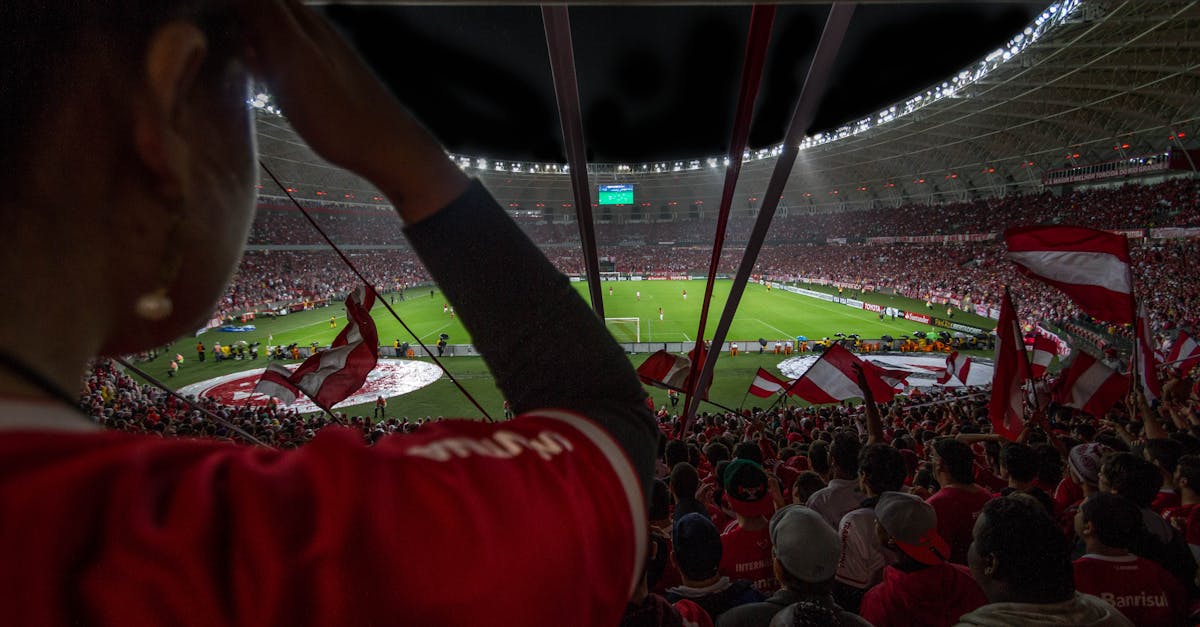
Did you know that the 2026 FIFA World Cup will span three North American countries, utilizing 16 host cities and an unprecedented number of stadiums? This monumental event promises to break attendance records, with some venues boasting capacities exceeding 100,000. Understanding the infrastructure is key to appreciating the scale of this tournament.
The Story So Far
The period leading up to the tournament has been crucial for stadium preparations. Many venues, particularly in the US, have undergone or are undergoing significant upgrades. This includes enhancing pitch quality, improving fan amenities, and ensuring compliance with FIFA's stringent standards for international tournaments. For instance, some stadiums are focusing on advanced turf management systems to ensure optimal playing conditions regardless of weather. Others are investing in digital infrastructure for enhanced connectivity and broadcast capabilities. This phase is critical for a seamless fan experience and high-quality match presentation. Understanding the specifics of these upgrades can offer insights into potential tactical advantages or challenges for teams playing in these venues.
June 2024: Initial Venue Confirmations
As the tournament kicks off in June 2026, the world will witness these stadiums come alive. The sheer scale of the event, with its multiple host nations and vast distances, presents a unique operational challenge. From a sports science perspective, managing player fatigue due to extensive travel and adapting to diverse climatic conditions will be paramount. Teams that can effectively strategize around these factors, perhaps by optimizing travel routes or utilizing advanced recovery protocols, will likely gain an edge. The fan experience, too, will be sha by the stadium environments, from the roar of the crowd to the visual spectacle provided by modern facilities.
July 2024 - December 2025: Stadium Preparations and Upgrades
In June 2024, FIFA and the host nations officially confirmed the 16 host cities and their respective stadiums. This marked a significant milestone, moving from speculation to concrete plans. The United States will host the majority of matches, with 11 cities selected. Mexico and Canada will each host three cities. Each venue brings a unique flavour, from the sun-drenched arenas of the southern US to the cooler climates of Canada. This geographical spread presents unique logistical challenges and opportunities for fan travel and team acclimatization, a factor that coaches and analysts will be closely scrutinizing.
November 2025: Final Match Schedule Announcement
The journey to the 2026 World Cup has been one of expansion and ambition. For the first time, the tournament will be co-hosted by the United States, Canada, and Mexico. This decision not only spreads the event across a vast geographical area but also necessitates the use of a diverse range of stadiums, from iconic, recently renovated arenas to those with deep historical significance. The selection process considered factors like infrastructure, fan experience, and logistical capabilities. This inclusive approach aims to bring the global spectacle closer to more fans than ever before.
June 2026: Tournament Kick-off
The announcement of the final match schedule, including the opening match and the final venue, is a pivotal moment. While specific details are still emerging, the selection of venues for these marquee games is always a subject of intense interest. Iconic stadiums with immense capacities are often favoured for such high-profile fixtures. The choice of venue for the final can influence pre-match preparations, with teams potentially needing to adapt to different climates and travel schedules. This scheduling also dictates the flow of the tournament, impacting how teams navigate the early stages and prepare for knockout rounds. It's a complex puzzle involving logistics, fan access, and historical significance.
By The Numbers
- 16 Host cities across three nations.
- 11 Host cities in the United States.
- 3 Host cities in Mexico.
- 3 Host cities in Canada.
- Over 100,000 potential capacity at some venues, setting new attendance records.
- 48 Teams participating, a record for the men's World Cup.
What's Next
The 2026 World Cup is set to redefine the scale and scope of the tournament. As the final preparations continue, all eyes will be on the host cities and their world-class stadiums. The logistical intricacies, the fan experience, and the potential impact on team performance will be key talking points. For fans, this means unprecedented access to the beautiful game across North America. For teams, it presents a unique set of challenges and opportunities to adapt and excel on a truly global stage. The success of this expanded format will likely influence future World Cup hosting bids and configurations.
Browse by Category
Sources & References
- FIFA Official Statistics — fifa.com (Official match data & records)
- Opta Sports Analytics — optasports.com (Advanced performance metrics)
- ESPN Score Center — espn.com (Live scores & match analytics)
Explore More Topics (15)
- Xem World Cup Online Tren Dien Thoai
- Key_players_in_the_womens_soccer_world_cup_2023
- Best Strategies For Enjoying The World Cup With Friends
- Internal Link To Mua Bong Da World Cup Adidas
- World Cup Format Expansion History
- Vietnam National Team Current Form Analysis
- Online_tin Tuc/Cong Vinh Tuyen Trung Quoc Te Den Muc Phai Nhap Tich Viet Nam Co The Thang Day
- Tags/Tft Guides/Online_highlight/Online_truc_tiep/Internal_link_to_mua_bong_da_world_cup_adidas
- History Of The World Cup Evolution
- Online_highlight/Eintracht Frankfurt Vs Vfb Stuttgart Video Highlight Ngay 12 09
- Premier League Scores Live
- News/Online_ferdinand_chon_ra_cau_thu_hay_nhat_cua_arsenal
- Comparing World Cup Formats Past Present
- News/Impact_of_expanded_48_team_world_cup_on_qualification_dynamics
- Future_of_soccer_trends_world_cup_2026