World Cup Host Nations: A Practical Playbook for Staging Football's Grandest Show
Explore the history of FIFA World Cup host nations through a practical lens. This guide provides actionable insights on event organization, economic leveraging, infrastructure management, and legacy planning for future hosts, drawing lessons from past tournaments.
Since 1930, host nations have lifted the FIFA World Cup trophy on six occasions, a 27% success rate that far outstrips the odds for any single competing team. This remarkable statistic underscores the profound, often underestimated, home advantage, and the strategic importance of the host nation's role. Beyond on-field performance, hosting the World Cup is a colossal undertaking, demanding meticulous planning, significant investment, and an unwavering commitment to legacy.
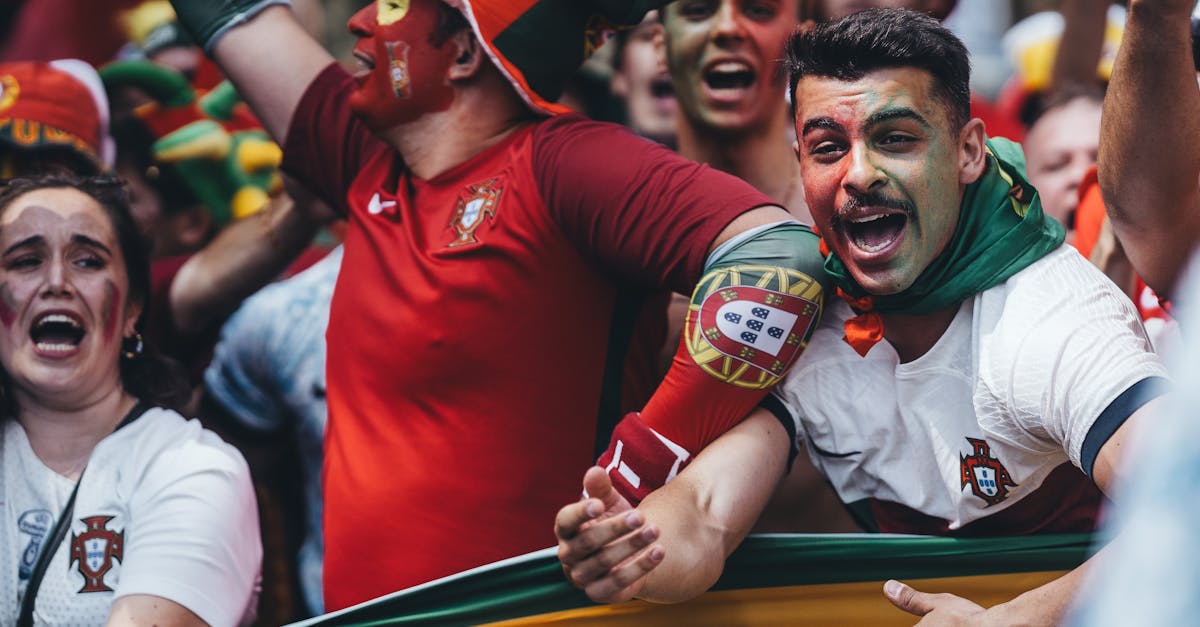
This practical guide delves into the chronological evolution of World Cup hosting, providing actionable insights derived from the experiences of past organizers. We examine how nations have transformed their infrastructure, boosted their economies, and sha the global perception of their country through football's ultimate spectacle. From the rudimentary setups of the early tournaments to the multi-billion-dollar events of today, understanding this trajectory is crucial for any aspiring host.
1930s-1950s: Laying the Foundations for Success
Recent tournaments have placed a strong emphasis on sustainability, human rights, and enduring legacies. South Africa 2010 highlighted the challenges and opportunities of hosting in a developing region, while Brazil 2014 faced scrutiny over infrastructure costs versus social benefits. Russia 2018 delivered a logistically smooth event, but Qatar 2022 sparked intense debates about worker rights, environmental impact, and cultural integration. The practical advice for future hosts is to embed sustainability and social responsibility into every aspect of planning. Develop clear human rights policies, ensure fair labor practices, and implement green building standards for new constructions. Plan for the post-tournament utilization of stadiums and facilities to avoid 'white elephants.' Engage local communities throughout the process and ensure transparent communication regarding costs and benefits. This is also where discussions around national team development, like the potential for 'cong_vinh_tuyen_trung_quoc_te_den_muc_phai_nhap_tich_viet_nam_co_the_thang_day,' can arise, as host nations often seek to bolster their sporting image.
1960s-1980s: Mastering the Economic Blueprint
The inaugural 1930 World Cup in Uruguay set a precedent for host responsibility. With only 13 teams, Uruguay constructed the Estadio Centenario in just nine months, a monumental feat. Italy in 1934 and France in 1938 followed, demonstrating the early need for centralized organization and dedicated sporting venues. The practical lesson from this era is the absolute necessity of a clear vision and foundational infrastructure. For modern bids, this translates to early site selection, robust architectural planning, and securing government backing for core projects. Even with limited resources, a strong organizing committee can establish effective logistical frameworks for team accommodation and spectator movement. This period also saw the initial conceptualization of what would become the evolution of FIFA World Cup trophies, marking the tournament's unique identity.
1990s-2000s: The Era of Global Spectacle and Infrastructure
The late 20th and early 21st centuries ushered in an era of unprecedented scale and complexity. USA 1994 broke attendance records, while France 1998 showcased sophisticated multi-city hosting. South Korea/Japan 2002 pioneered co-hosting across different nations, demanding intricate cross-border logistics and cultural integration. Germany 2006 set new standards for fan experience and operational efficiency. For contemporary hosts, the guide is clear: invest in world-class, multi-purpose stadiums – designing world cup jerseys adidas also became a significant marketing aspect. Develop comprehensive transportation networks, including public transit and efficient airport logistics. Create vibrant fan zones and public viewing areas, anticipating the needs of millions. Consider the digital infrastructure as well; reliable online_tin_tuc and online_truc_tiep coverage is paramount, with platforms like 'guide/online_truc_tiep_thespakusatsu_gunma_vs_fagiano_okayama_luc_1700_21_04_2021' becoming essential for global audiences to watch_live matches seamlessly.
2010s-2022: Sustainability, Legacy, and Social Responsibility
As the tournament grew, host nations began to strategically leverage the event for broader national development. England's 1966 World Cup, for instance, showcased a nation modernizing after the war, utilizing existing stadiums like Wembley and Hillsborough (near Bramall Lane info). Mexico in 1970 and Argentina in 1978 demonstrated how developing nations could use the World Cup to accelerate infrastructure projects and boost international tourism. The practical takeaway here is to integrate the World Cup into a long-term national development strategy. Conduct thorough economics of hosting international football tournaments analyses early on. Identify key sectors for growth – tourism, hospitality, transportation – and design projects that will yield benefits long after the final whistle. This era also saw adidas sponsorships world cup teams grow, highlighting the commercial potential.
By The Numbers
- 6: The number of times a host nation has won the World Cup (Uruguay 1930, Italy 1934, England 1966, West Germany 1974, Argentina 1978, France 1998).
- $220 Billion: The estimated cost for Qatar to host the 2022 World Cup, making it the most expensive in history.
- 3.57 Billion: The cumulative global audience for the 2018 World Cup, highlighting massive viewership demands for cable vs online streaming sports.
- 100,000+: The average number of jobs created by hosting a major international football tournament.
- 1994: The year the USA hosted, still holding the record for highest total attendance (3.59 million) despite fewer teams than later tournaments.
What's Next: The Future of Hosting
The FIFA World Cup 2026, co-hosted by USA, Canada, and Mexico, represents the next frontier. With 48 teams and 16 host cities, it will be the largest tournament ever. This multi-national approach is likely a trend, spreading the financial and logistical burden. For future host bids, the practical recommendations include:
- Embrace Multi-National Bids: Collaborate with neighboring nations to pool resources and expertise, mitigating individual financial risk.
- Prioritize Existing Infrastructure: Leverage existing stadiums and facilities to reduce construction costs and environmental impact, rather than building from scratch. This includes optimizing venues like those used for upcoming bundesliga fixtures eintracht frankfurt vfb stuttgart for future international events.
- Integrate Digital Experience: Develop advanced digital platforms for ticketing, fan engagement, and content delivery (e.g., analyzing past world cup winners, champions league results analysis). Provide real-time news and 'online_truc_tiep' services.
- Focus on Sustainable Transport: Implement eco-friendly transportation solutions for inter-city travel and within host cities.
- Create Diverse Fan Experiences: Plan for extensive fifa world cup 2026 fan fest locations 2026 and cultural events that cater to a global audience, beyond just match days.
- Ensure Robust Legacy Planning: From 'mua_o_i_tuyn_world_cup_chnh_hng_u' (official merchandise sales) to community sports programs, ensure every investment leaves a positive, lasting impact. The rise of underdogs World Cups also adds to the narrative, providing inspiration for national teams and their fans.
The history of World Cup hosts is a dynamic narrative of adaptation, ambition, and the relentless pursuit of sporting excellence. By applying the practical lessons from the past, future host nations can ensure their place in history is marked not just by spectacle, but by sustainable success and enduring legacy.
Browse by Category
Sources & References
- Opta Sports Analytics — optasports.com (Advanced performance metrics)
- FIFA Official Statistics — fifa.com (Official match data & records)
- UEFA Competition Data — uefa.com (European competition statistics)