news/online_truc_tiep/internal_link_to_mua_ve_xem_world_cup_2026_o_my_gia_bao_nhieu - World Cup 2026 Stadiums: Your Ultimate Guide
Explore the iconic stadiums hosting World Cup 2026. Get insights into venue preparation, fan experience, and what makes these grounds historic.
World Cup 2026 Stadiums: Your Ultimate Guide
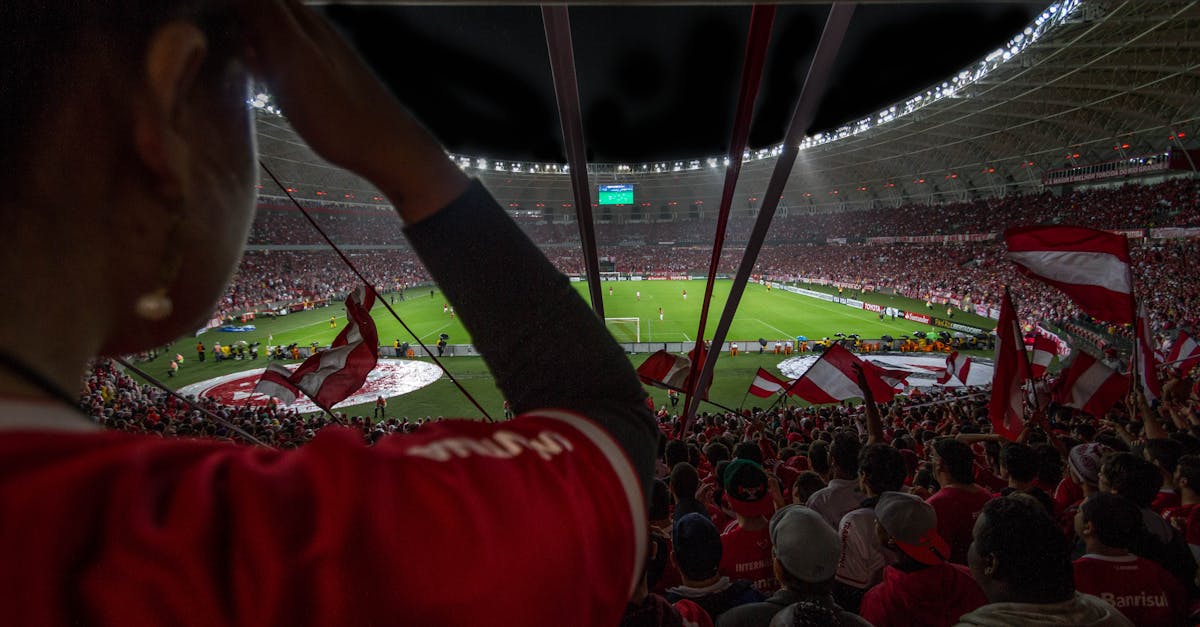
Did you know that the 2026 FIFA World Cup will be the first ever to be hosted by three nations: Canada, Mexico, and the United States? This monumental shift in hosting precedent is mirrored by the sheer scale of the tournament's venues, with 16 cities selected to stage matches. Understanding the logistical and infrastructural nuances of these diverse locations is key to appreciating the tournament's global reach and operational complexity.
The Story So Far
The selection process for the World Cup 2026 host cities concluded in June 2022, marking a significant milestone in the tournament's history. This decision wasn't merely about picking cities; it was about identifying stadiums capable of hosting a global spectacle of this magnitude. The criteria included stadium capacity, infrastructure, transportation links, and fan experience potential. The aim is to create a seamless and memorable experience for millions of fans, players, and officials across North America. This multi-nation hosting model presents unique challenges and opportunities, particularly in how different cultural contexts will influence the tournament atmosphere and fan engagement.
Pre-Tournament Preparations: Laying the Groundwork
As the tournament approaches, the focus shifts to the fan experience within and around the stadiums. Cities are developing comprehensive plans for fan zones, cultural events, and transportation hubs. For example, the integration of technology for ticketing, navigation, and real-time information will be key. The ability to access hub/video_highlight content seamlessly from fan zones or within the stadium precincts will enhance engagement. Comparing world cup betting odds best value also requires an understanding of venue advantages; for instance, how altitude or climate might affect team performance in certain locations. This holistic approach ensures that attending a World Cup match is more than just a game; it's an immersive cultural and entertainment event.
Early Tournament Buzz: Key Venues Emerge
By late 2024 and into 2025, the spotlight will intensify on specific venues. Stadiums like the iconic Azteca in Mexico City, set to become the first stadium to host three World Cups, and the newly constructed SoFi Stadium in Los Angeles, are already generating considerable excitement. Discussions around the world cup 2026 fixture release date will naturally lead to speculation about which stadiums will host opening matches, knockout rounds, and the final. Analyzing the venue capabilities, such as pitch quality and technological integration, becomes paramount. This phase involves detailed planning for security, ticketing, and broadcasting, ensuring every aspect of the matchday experience is optimized. The role of commentary in enhancing the World Cup viewing experience will also be crucial, with broadcasters selecting venues that offer the best visual and auditory engagement.
Matchday Experience: Beyond the 90 Minutes
In the final months leading up to the tournament, all eyes will be on the readiness of each venue. Contingency plans for weather, security, and logistical challenges will be finalized. The operational teams will be in place, ready to execute the complex choreography required to manage a global event of this scale. Understanding your ultimate guide to our match schedules will be essential for fans planning their travel. This period also involves the final training camps for teams and the last-minute preparations for broadcasting, including ensuring high-quality internal_tin_tuc/spurs_vs_aston_villa_highlights_link are available for fans of specific clubs who might also be following the World Cup. The anticipation builds as the world awaits the opening whistle.
By The Numbers
- 16 Host Cities across three nations.
- 3 Nations co-hosting the tournament.
- 1970, 1986, and 2026: The years the Estadio Azteca will have hosted World Cup matches.
- 110,000: Approximate capacity of the Estadio Azteca, making it one of the largest.
- 3.5 billion: Estimated global viewership for the tournament, highlighting the scale of the event.
The Road to Kick-off: Final Touches
As of early 2024, the focus for the chosen host cities is on infrastructure upgrades and venue readiness. Cities like Toronto, Vancouver, Dallas, and Los Angeles are undertaking significant projects. This includes enhancing public transportation, improving stadium facilities, and developing fan zones. For instance, the commitment to sustainability is a growing trend, with many venues aiming for eco-friendly operations. Understanding the specific upgrades each stadium is undergoing provides insight into the investment required to host such an event. This period is critical for ensuring that the stadiums meet FIFA's stringent requirements and can deliver an unparalleled fan experience, from the moment supporters arrive to their departure.
What's Next
The World Cup 2026 promises to be a groundbreaking tournament, not just for its expanded format but for its pioneering multi-nation hosting. The selected stadiums are poised to become stages for history, from potential biggest world cup upsets in history to the crowning of a new champion. As the fixture list is released and teams begin their qualification campaigns, the anticipation will only grow. The success of this ambitious undertaking will set a precedent for future tournaments, demonstrating how football can unite diverse regions and cultures on a grand scale. Fans can look forward to an unprecedented global celebration of the beautiful game.
Browse by Category
Sources & References
- ESPN Score Center — espn.com (Live scores & match analytics)
- Transfermarkt Match Data — transfermarkt.com (Match results & squad data)
- Sports Reference — sports-reference.com (Comprehensive sports statistics database)
Frequently Asked Questions
Q: When will the World Cup 2026 take place?
A: The World Cup 2026 is scheduled to take place from June to July 2026, marking the first time the tournament will be hosted by three countries: the United States, Canada, and Mexico. This edition will also feature an expanded format with 48 teams participating. Read more →
Q: How are the teams selected for the World Cup 2026?
A: Teams qualify for the World Cup 2026 through a series of continental qualification tournaments held in various regions. Each confederation has its own process, with a total of 48 teams expected to qualify for the tournament, allowing for greater representation from different countries. Read more →
Q: What are the key stadiums for the World Cup 2026?
A: The World Cup 2026 will be held in various stadiums across the United States, Canada, and Mexico, including iconic venues like MetLife Stadium in New Jersey and the Rose Bowl in California. Detailed seating charts and specific stadium information can be found on dedicated platforms closer to the event. Read more →
Q: What is the significance of the World Cup 2026 for soccer?
A: The World Cup 2026 is significant as it will be the first tournament with 48 teams, creating more opportunities for nations to compete on the world stage. This expansion reflects the growing popularity of soccer globally and aims to increase fan engagement and participation. Read more →
Q: Can you tell me about the FIFA World Cup 2022 Golden Ball winner?
A: The Golden Ball for the FIFA World Cup 2022 was awarded to Lionel Messi, recognizing his outstanding performance throughout the tournament. His leadership and skill were crucial in leading Argentina to victory, and he continues to be a significant figure in the world of soccer. Read more →