World Cup 2026 Stadium Capacities: A Comprehensive Guide
Explore the projected stadium capacities for the 2026 FIFA World Cup. Get practical insights into venue management, fan experience, and the impact of stadium size on tournament logistics.
The Story So Far
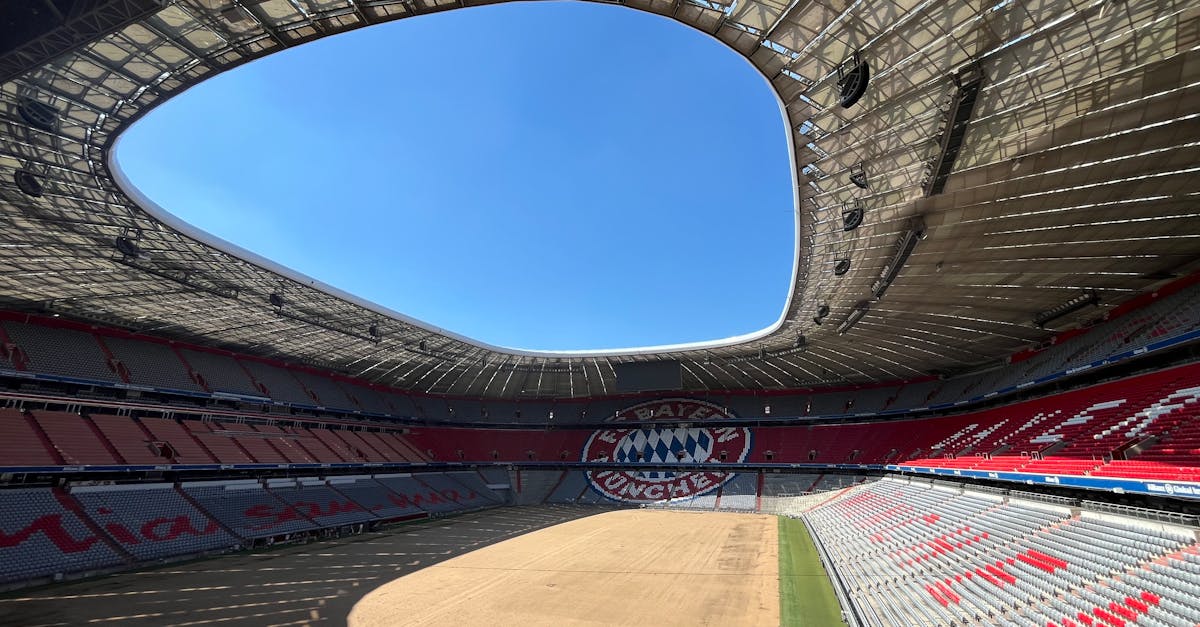
The 2026 FIFA World Cup marks a significant expansion, not just in the number of participating teams, but also in the scale of its venues. With a record 48 nations set to compete across three host countries – Canada, Mexico, and the United States – the logistical and operational challenges are unprecedented. A key element of this grand undertaking is the selection and management of stadiums. Over 100 matches will be played, and understanding the capacity of each venue is crucial for everything from ticketing and security to fan experience and economic impact. This guide delves into the projected capacities of these colossal arenas, offering a practical perspective for stakeholders and fans alike.
Pre-Tournament Planning and Venue Selection (Early 2010s - 2017)
With the host cities confirmed, the focus shifted to detailed assessments of the selected stadiums. This period involved in-depth reviews of each venue's infrastructure, including seating configurations, hospitality areas, media facilities, and safety protocols. For venues selected, particularly those in the United States, many were already world-class NFL or major college football stadiums, designed for large attendances. However, FIFA's requirements often necessitate upgrades. This could involve enhancing Wi-Fi capabilities for media and fans, improving accessibility, or adapting existing facilities to meet specific tournament needs. For example, the Emirates Stadium info, while not a 2026 venue, represents the type of modern facility that organizers would look to emulate or adapt from. The management of these upgrades is a complex process, requiring coordination between stadium authorities, local governments, and FIFA. This phase also saw preliminary discussions on ticketing strategies and how to manage demand for matches in these high-capacity venues, a precursor to developing top strategies for betting on World Cup matches, as demand often influences odds.
The Official Bid and Venue Announcements (2017 - 2018)
As the tournament draws nearer, the final list of host cities and their respective stadiums has been confirmed. The projected capacities, based on existing infrastructure and potential temporary seating arrangements for the event, paint a picture of the scale of the 2026 World Cup. These numbers are not static; they can be influenced by FIFA's specific requirements for match days, including media seating, safety zones, and hospitality boxes. The aim is to maximize spectator experience while ensuring operational efficiency. For instance, understanding the seating arrangements at venues like the Rose Bowl or AT&T Stadium is crucial for anticipating crowd flow and potential challenges. This detailed planning is essential for effective tournament management, from ensuring smooth entry and exit for tens of thousands of fans to providing top-tier viewing experiences. The discussion around potential venue capacities also ties into the broader conversation of hosting major events, similar to the considerations around to chuc xem world cup tai nha kinh nghiem va y tuong.
Infrastructure Assessment and Modernization (2019 - 2023)
The journey to the 2026 World Cup began years before the official bid was even solidified. Initial discussions and feasibility studies for a joint North American bid, involving the USA, Canada, and Mexico, started in the early 2010s. The United Bid, as it became known, focused on leveraging existing, often state-of-the-art, infrastructure. This approach aimed to minimize new construction costs and environmental impact, a trend observed in recent major sporting events. The selection process prioritized venues with significant existing seating capacities, ensuring they could comfortably host large crowds. This period was about identifying potential host cities and stadiums that met FIFA's stringent requirements, considering factors beyond just seating numbers, such as transportation, accommodation, and security infrastructure. The goal was to present a compelling case for a tournament that was both economically viable and logistically sound. The role of technology in refereeing was also beginning to be discussed for future tournaments, hinting at advancements beyond just the pitches themselves.
Final Venue Confirmations and Capacity Projections (2024 - Present)
The United Bid was officially submitted in March 2018. Following rigorous evaluation by FIFA, the host nations and a shortlist of host cities were announced in June 2018. This announcement was a critical juncture, confirming the primary locations that would host the tournament's matches. While the exact number of matches per city was not finalized at this stage, the confirmed stadiums became the focal point for future planning. The selection criteria implicitly favored larger stadiums, reflecting the tournament's expanded format. Cities with existing venues capable of holding 60,000+ spectators were at a distinct advantage. This phase set the stage for detailed operational planning, including the initial considerations for stadium management and the fan journey within these massive venues. The news surrounding potential bids and host countries often generated significant public interest, with many following the developments closely, akin to how one might follow the biggest World Cup qualifier surprises.
By The Numbers
| Number of Host Nations | 3 (Canada, Mexico, USA) |
| Number of Host Cities | 16 |
| Projected Minimum Capacity for Host Stadiums | 40,000 (for non-final matches) |
| Projected Capacity for Opening Match Stadium (Azteca) | ~87,000 |
| Projected Capacity for Final Match Stadium (MetLife) | ~82,500 |
| Number of Matches | 104 |
What's Next
The confirmation of stadium capacities is a significant step, but the real work of tournament management is just beginning. The coming months will see intensified focus on operational planning, including ticketing rollouts, security enhancements, and transportation logistics. Fans can anticipate detailed information regarding match schedules and venue-specific guidelines. For those interested in the technical aspects, the role of technology in refereeing for the 2026 World Cup, including advancements in VAR and other officiating aids, will continue to evolve. Furthermore, the tournament's success will hinge on seamless execution across all 16 venues, ensuring a memorable experience for the estimated 5 million fans expected to attend. The anticipation for the World Cup qualifiers and the main event remains high, with fans eager to see how these massive stadiums will come alive. The ongoing news regarding the tournament, including potential online live broadcasts or highlight reels, will keep supporters engaged until kickoff. Discussions around the world_cup_2026_c_bn_bia_trong_sn_khng and other fan engagement strategies will also be prominent.
Browse by Category
Sources & References
- FIFA Official Statistics — fifa.com (Official match data & records)
- Opta Sports Analytics — optasports.com (Advanced performance metrics)
- ESPN Score Center — espn.com (Live scores & match analytics)
Explore More Topics (15)
- Watch World Cup 2026 Online Guide
- Analysis Top Teams World Cup 2026
- Best Live Streaming Options World Cup 2026 Globally
- Online Tin Tuc/So Sanh Thuc Tai World Cup 2022 Va 2026
- News/Fantasy Football Impact Winners Losers Match
- News/News/Online_tin_tuc/Internal_link_to_lich_phat_song_world_cup_2026_tren_vtv
- Digital Inclusion Ensuring Accessible World Cup Broadcasts For Everyone
- News/Full_highlights
- Spotlight Official Mascot Fifa World Cup 2026
- Sustainable World Cup Hosting Economic Viability
- Essential Packing List For World Cup 2026 Travelers
- News/Hat Giong World Cup 2026
- Fan Culture In La Liga Chants Rivalries And Traditions
- Vietnam Wc 2026 Qualification Journey Analysis
- Guide/Online_tin_tuc/Online_truc_tiep/Internal_link_to_hlv_tu_khi_profile