The Evolution of Live Football Broadcasting: From Static Screens to Immersive Experiences
Explore the dramatic transformation of live football broadcasting, from its early days to the cutting-edge technologies shaping how we watch the beautiful game today. A practical guide for fans.
The Evolution of Live Football Broadcasting: From Static Screens to Immersive Experiences
Did you know that in 1938, fewer than 10,000 people watched the World Cup Final on television? Today, billions tune in, highlighting a seismic shift in how we consume football. This journey from scarce broadcasts to ubiquitous, high-definition, and interactive experiences is a testament to technological innovation and changing fan expectations. coach player dynamic world cup success This guide delves into that evolution, offering insights into how broadcasting has transformed the fan experience, from early experimental broadcasts to the sophisticated multi-platform coverage we see today.
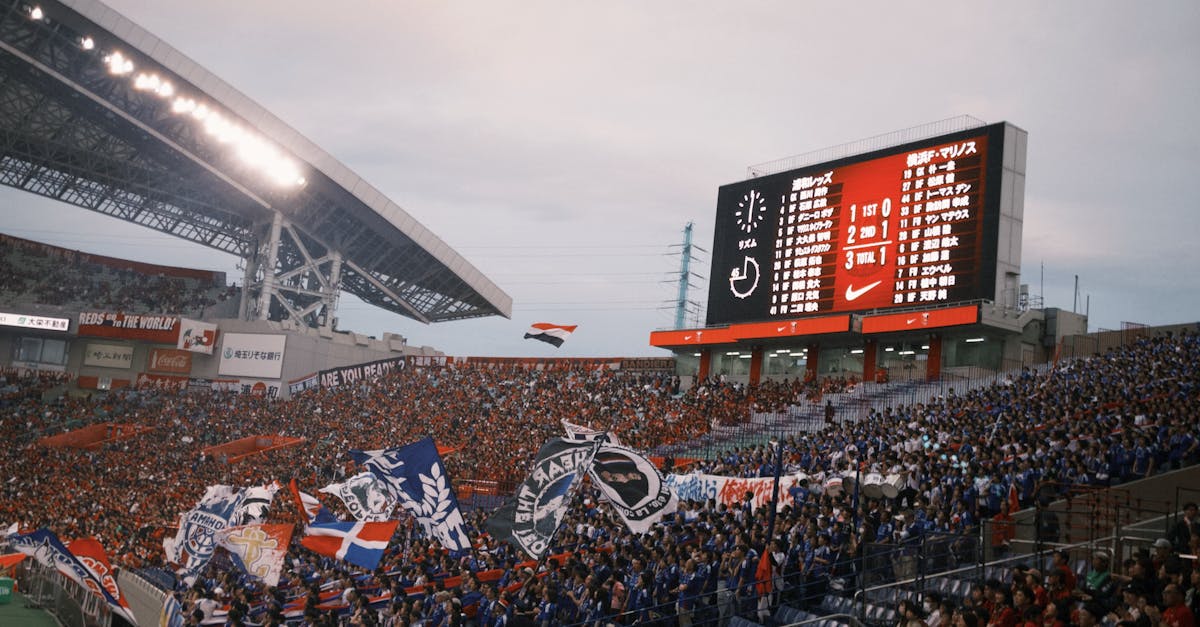
The Dawn of Broadcasts: Pre-1950s
The earliest attempts to bring football to the masses via broadcast were rudimentary. The first televised football match aired in Britain in 1936. These early broadcasts were often experimental, using a single camera with limited angles and black-and-white imagery. The quality was poor, and reception was inconsistent. For fans, it was a novelty rather than a regular viewing experience. The focus was on simply getting the game from the stadium to the home, with little consideration for cinematic presentation or fan engagement beyond watching the action unfold. The infrastructure for widespread broadcasting was still in its infancy, making these events rare occurrences.
The Black and White Era: 1950s - 1970s
The 1950s and 60s saw a gradual increase in live football broadcasts, particularly for major tournaments like the World Cup. The 1954 World Cup was the first to be broadcast internationally, albeit to a limited audience. The advent of portable cameras and improved transmission technology allowed for more matches to be shown. However, the experience remained largely passive. Multiple cameras began to be used, offering a slightly wider perspective, but replays were rare, and slow-motion was a distant dream. The commentary was king, tactical_trends_la_liga providing the narrative for what fans saw on their fuzzy, black-and-white screens. For those wanting to understand tactics, analyzing goal trends world cup formats were discussed via radio or newspaper reports. The 'bo bng world cup' was a significant event, but viewing was still a privilege, not a given.
The Introduction of Color and Replays: 1970s - 1990s
The 1970s marked a significant leap with the introduction of color television. The 1970 World Cup in Mexico was a watershed moment, broadcast in vibrant color to an increasingly global audience. This era also saw the development and widespread adoption of video replay technology. For the first time, broadcasters could show controversial moments again, analyze key plays, and offer different perspectives. This fundamentally changed how fans experienced the game, allowing for deeper analysis and debate. The introduction of multiple camera angles became more common, offering a more dynamic viewing experience. This period laid the groundwork for the sophisticated analysis we expect today, moving beyond just showing the game to interpreting it. Comparing tactical approaches top football competitions became more feasible through these enhanced visuals.
The Digital Revolution: 1990s - 2010s
The digital age brought about a revolution in broadcasting quality and accessibility. High-definition (HD) broadcasting began to emerge in the late 1990s and became widespread in the 2000s. This meant sharper images, richer colors, and a much more immersive experience. The number of cameras at matches increased dramatically, offering viewers an unprecedented array of angles. Technologies like instant replays, tactical cam, and even player tracking data started to be integrated into broadcasts. The internet also began to play a role, evolution of online football highlights with streaming services offering live matches online, expanding access beyond traditional television. This era saw the rise of dedicated sports news channels and the proliferation of online tin tuc (news) and guides for fans, including those looking for 'internal_link_to_danh_gia_nha_cai_ca_cuoc_world_cup' information. The 'evolution of world cup jerseys' also became a talking point, reflecting the broader visual evolution.
The Era of Immersive Technology: 2010s - Present
Today, live football broadcasting is a multi-platform, interactive spectacle. Ultra-high-definition (UHD/4K) is becoming the standard, offering incredible detail. Augmented reality (AR) overlays provide real-time statistics, player information, and tactical graphics directly onto the screen. Virtual reality (VR) is emerging as a way to offer courtside or even on-pitch perspectives. Bet tracking and fan engagement apps are integrated, allowing viewers to interact with the broadcast in real-time. The 'how_world_cup_2022_sha_future_tournaments' question is pertinent here, as 2022 showcased advanced broadcast techniques. 'So_san_hanh_thuc_thuc_world_cup_2022_va_2026' comparisons are already being made as technology advances rapidly. Broadcasters are experimenting with different audio options, including crowd noise control and player microphones. The 'world cup 2026 venues stadium guide' will undoubtedly feature the latest broadcast infrastructure.
By The Numbers
- 1938: Estimated viewership for the World Cup Final on television.
- 1.1 Billion: Estimated viewers for the 2022 FIFA World Cup Final.
- 100+: Number of cameras often deployed at major football matches today for comprehensive coverage.
- 4K/UHD: Resolution becoming the standard for premium live sports broadcasts.
- 300%: Potential increase in data transmission speeds needed for future immersive broadcast technologies like VR.
What's Next
The future of live football broadcasting promises even greater immersion and interactivity. Expect further integration of AI for automated camera work and data analysis. Personalized viewing experiences, where fans can choose their camera angles, commentary teams, or even on-field perspectives, will become more common. Technologies like 5G and beyond will enable seamless streaming of higher quality content and real-time interaction. The 'cac nha tai tro chinh world cup 2026' will likely invest heavily in these new broadcast innovations to reach fans in novel ways. We might see broadcasts incorporating elements of 'popular online sports games,' blurring the lines between watching and participating. The ongoing development in 'comparing_vietnam_football_strategies_southeast_asian_nations' and 'teams to watch emerging nations in world cup 2026 qualifiers' will be captured and presented with unprecedented detail. The ongoing 'historical_rivalries_world_cup' narratives will be enhanced by immersive storytelling techniques, perhaps even allowing fans to virtually experience legendary matches. The 'the_rise_of_fc_union_berlin' and similar club stories will be told through dynamic, data-rich broadcasts that go far beyond simple match coverage, potentially even linking to insights from 'news/news/internal_link_to_hlv_tu_khi_profile' for deeper context.
Browse by Category
Sources & References
- Opta Sports Analytics — optasports.com (Advanced performance metrics)
- ESPN Score Center — espn.com (Live scores & match analytics)
- Transfermarkt Match Data — transfermarkt.com (Match results & squad data)
Explore More Topics (15)
- Fifa_world_cup_all_time_winners_list_country
- Online_highlight/Manchester United Vs Fc Copenhagen Video Highlight Ngay 11 08
- Sheffield United Upcoming Fixtures
- Repro_lich Bong Da Nam My12508011662
- Online_highlight/Paris Saint Germain Vs Lens Video Highlight Ngay 02 05
- Evolution World Cup Scoring Tactics
- Online_tin_tuc/Online_truc_tiep/Internal_link_to_premier_league_scores_guide
- Sheffield United Evolution Premier League
- Premier League Top Scorers Update
- Evolution Of Fc Union Berlin
- Impact Of Technology World Cup
- Arsenals Tactical Blueprint Vs Sheffield United Defence
- Memorable World Cup Moments
- Sheffield United Arsenal Upcoming Fixtures
- Utilizing Social Media To Boost Sports Seo