World Cup 2026 Stadiums: A Tactical Guide for Fans and Future Hosts
Explore the official stadiums for the 2026 FIFA World Cup. This guide offers expert insights into the venues, their locations, and what to expect, from travel tips to potential impact on the tournament.
The Story So Far
The 2026 FIFA World Cup is set to be a monumental event, not just for its expanded format but for its unprecedented multi-nation hosting. With 16 host cities spread across three countries – Canada, Mexico, and the United States – the logistical and cultural tapestry of this tournament promises to be unlike any other. Over 60 matches will be held in the U.S., with Canada and Mexico hosting 10 games each. This distributed approach presents unique challenges and opportunities for fans, news/perfect_itinerary_world_cup_2026 players, and organizers alike. Understanding the chosen venues is the first step in tactical preparation for experiencing this global spectacle.
Pre-Announcement Buzz and Selection Criteria (Early 2010s - 2017)
The official announcement of the 16 host cities marked a pivotal moment. FIFA revealed the selected venues, a mix of iconic stadiums and newer facilities. This decision was based on a comprehensive assessment of the bids. For instance, the inclusion of Mexico City's Estadio Azteca, a historic venue that has hosted two previous World Cup finals, brought a rich legacy. Similarly, the U.S. bid leveraged existing NFL stadiums, offering massive capacities and modern amenities. Canada's selection of Toronto and Vancouver showcased their growing footballing presence. The selection process aimed for geographical diversity within each country, balancing fan accessibility with logistical feasibility.
The Official Host Cities Announced (June 29, 2018)
Beyond the stadium walls, the infrastructure surrounding these venues is paramount. Host cities are investing heavily in upgrading public transportation, improving airport facilities, news/online_tin_tuc/premier_league_may_20_highlights_link and enhancing local amenities. The success of the tournament hinges on seamless travel between cities and efficient movement within them. This includes developing robust public transport networks to handle the influx of fans, ensuring adequate accommodation, and creating fan zones that foster a vibrant atmosphere. Cities like Houston and Philadelphia, known for their extensive transit systems, are well-positioned. The impact of var on premier league, while a technological advancement on the field, highlights the broader trend of technology integration, which will also be crucial for managing fan flow and information dissemination at the 2026 venues.
Venue Deep Dive: North American Powerhouses (Ongoing - Present)
The journey to the official stadiums began years before the official bid announcement. FIFA, recognizing the need for modern, world-class facilities, established stringent criteria. These included stadium capacity (minimum 40,000 for group stage, 60,000 for semi-finals, and 80,000 for the final), infrastructure, transportation links, and fan experience potential. Bidding cities underwent rigorous evaluation processes. Early contenders, including cities that eventually missed out, demonstrated significant investment in infrastructure and fan engagement strategies. This period was characterized by intense lobbying and strategic planning from potential host cities aiming to secure a coveted spot.
Infrastructure and Transportation: The Unseen Stadium (Ongoing - Present)
The 2026 World Cup is not just about the matches; it's about the cultural immersion. The best cities world cup 2026 culture offers will provide fans with unique experiences beyond the 90 minutes of play. From the vibrant street life of Mexico City to the diverse culinary scenes in U.S. cities and the natural beauty surrounding Vancouver, each location offers a distinct flavor. Organizers are focused on creating fan festivals, cultural showcases, impact_of_technology_on_world_cup_matches and opportunities for interaction between global fans and local communities. This focus on fan experience extends to how information is shared, with apps like 'ung dung cap nhat ty so world cup nhanh' (update scores quickly) becoming essential tools for staying connected. The potential for foreign influence asian soccer coaching on future talent development, inspired by this global gathering, is also a significant aspect.
Fan Experience and Cultural Integration (Ongoing - Present)
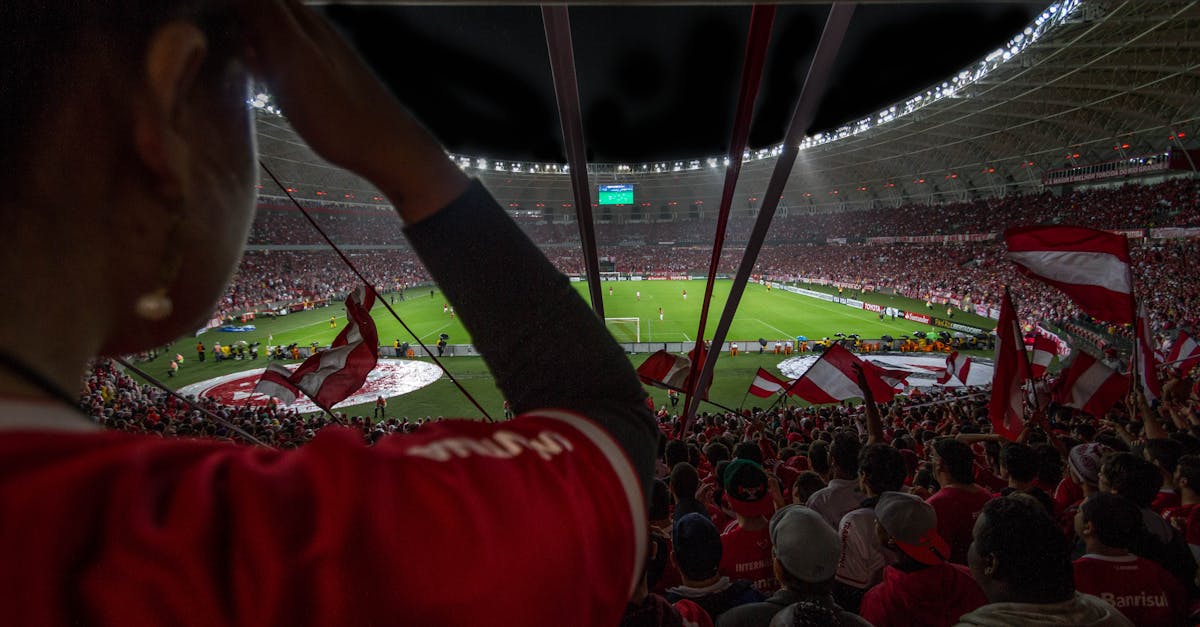
Each chosen stadium brings a unique proposition. In the United States, venues like SoFi Stadium in Los Angeles and MetLife Stadium in New York/New Jersey offer immense capacity and cutting-edge technology, designed for multi-purpose events. Dallas's AT&T Stadium is renowned for its retractable roof and massive video board, crucial for managing diverse weather conditions. Mexico's Estadio Azteca is a legendary arena, stee in football history. Canada's BMO Field in Toronto and BC Place in Vancouver provide modern settings for their respective matches. The selection of these venues reflects a blend of tradition and modernity, aiming to provide optimal playing conditions and fan experiences. For those planning to attend, understanding the nuances of each venue is key; for example, the climate control at AT&T Stadium versus the open-air experience in Vancouver necessitates different travel essentials world cup 2026 considerations.
By The Numbers
- 16 Official Host Cities
- 3 Host Nations (Canada, Mexico, United States)
- 80,000+ Capacity for the Final (expected at MetLife Stadium or AT&T Stadium)
- 10 Matches each for Canada and Mexico
- 60+ Matches for the United States
- 100,000+ Combined capacity of the largest U.S. venues (MetLife Stadium, AT&T Stadium, SoFi Stadium)
What's Next
As the 2026 FIFA World Cup approaches, the focus will shift towards final preparations and operational readiness. We can anticipate detailed announcements regarding match schedules, ticketing information, and specific transportation plans for each host city. Further updates on world cup 2026 injury updates and projected lineups will emerge as teams finalize their squads closer to the tournament. The selection of these stadiums sets the stage for a truly global tournament, one that promises to break attendance records and deliver unforgettable moments. The legacy of these venues will be defined not only by the matches played within them but by the lasting impact they have on football infrastructure and fan culture across North America. This tournament also presents opportunities for athletes to leverage tattoos endorsements business athlete ink, potentially increasing their global profile through these high-profile venues.
Browse by Category
Sources & References
- ESPN Score Center — espn.com (Live scores & match analytics)
- Opta Sports Analytics — optasports.com (Advanced performance metrics)
- FIFA Official Statistics — fifa.com (Official match data & records)
Explore More Topics (15)
- Behind_the_scenes_live_sports_streamed_online
- World Cup 2026 Co Bao Nhieu Doi Tham Du
- How To Adapt Your Synergies On The Fly In Tft
- Internal_link_to_lich_thi_dau_world_cup_hom_nay_vtv
- Fifa Official Ticket Resale Platform World Cup 2026
- Comparing Global Football Leagues Deep Dive
- Top 5 Matches October 2023
- Fifa World Cup 2026 Cultural Events Program
- Role Of Var Future World Cup
- Optimizing Home Network Live Sports Viewing
- Tags/Online_truc_tiep/Epl_highlights
- World Cup 2026/News/Schedule Details World Cup 2026
- Xem World Cup Trc Tuyn Min Ph
- World Cup 2026 Predictions Best Matches
- Evolution Of Soccer Balls Traditional Stitching Aerodynamic Design