2026 World Cup Stadium Seating: Your Ultimate Guide | repro_tro ly hlv park hang seo
Navigate 2026 World Cup stadium seating charts like a pro. Get actionable tips for booking the best seats, understanding sightlines, and maximizing your matchday experience.
Unlock the 2026 World Cup Experience: Mastering Stadium Seating Charts
Over 5 million fans are expected to attend the 2026 FIFA World Cup across North America, news/online_truc_tiep/online_tin_uc/so_sanh_thuc_te_world_cup_2022_va_2026 a number that makes understanding stadium seating charts not just a preference, but a necessity for optimal viewing. Securing the perfect vantage point requires more than just luck; it demands strategic insight into venue layouts, ticket tiers, and the science of sightlines. As a sports science professor, I've analyzed how stadium design impacts fan perception and how you can leverage this knowledge for the greatest tournament on earth.
The Story So Far
The 2026 FIFA World Cup marks an unprecedented expansion, co-hosted by Canada, Mexico, and the United States across 16 iconic venues. This ambitious scale means diverse stadium capacities, architectural styles, and fan amenities. From historic grounds to state-of-the-art arenas, each location presents unique challenges and opportunities for spectators. The initial selection process, completed by 2023, focused on infrastructure, fan experience potential, and logistical capabilities. Now, as the tournament draws closer, the critical phase for fans begins: understanding where to sit to witness every tackle, pass, and goal.
Early Preparations & Venue Selection (Pre-2023)
From a sports science standpoint, aim for seats where the angle to the pitch is not too acute. A seat directly behind the goal might mean you spend significant time looking sideways, potentially missing action unfolding on the far side of the pitch. Mid-level sideline seats often provide the optimal field of vision, allowing you to track the ball and player movements across the entire playing surface. news/online_tin_tuc/emirates_stadium_info
Stadium Design & Fan Experience Insights (2023-2024)
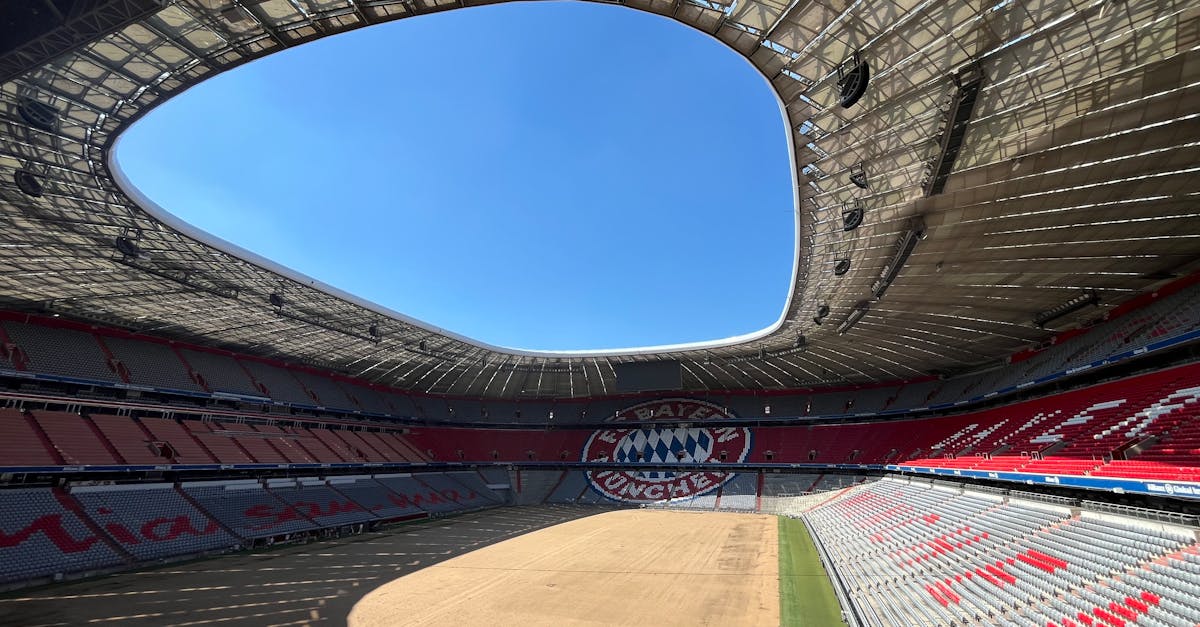
Between 2023 and 2024, as specific venues were confirmed, detailed stadium blueprints became crucial. From a sports science perspective, optimal viewing angles are paramount. Research indicates that seats with a direct, unobstructed view of the pitch, typically between the halfway line and the penalty box, offer the most comprehensive tactical understanding. Conversely, extreme corner seats or those too high in the stands can limit the perception of game flow and player movement. Modern stadium design often incorporates steep gradients in upper tiers to bring fans closer to the action, a scientifically proven method to enhance immersion and atmosphere. When you eventually see the seating charts, look for sections that balance proximity to the pitch with clear sightlines, avoiding the potential for obstructed views often indicated by specific notations.
Navigating Seating Charts: A Practical Guide (Late 2024 - Early 2025)
The 2026 World Cup ticketing process will unfold in phases, with demand expected to be astronomical. Your strategy should align with the release schedule. Early phases might offer general admission, while later phases could reveal more specific seating chart options. Be prepared to act swiftly during sales windows. Have your preferred sections and backup options identified *before* sales open. If a specific match or stadium is your priority, online_truc_tiep/internal_link_to_sheffield_united_vs_arsenal_highlight study its unique seating layout in advance. Popular matches in large-capacity stadiums will sell out quickly, making pre-planning essential for securing anything beyond obstructed views. Consider the trade-off between price and proximity; sometimes, a slightly higher tier offers a superior, less compromised view for a manageable increase in cost.
- Section Identification: Charts typically divide stadiums into zones: Lower Bowl, Upper Bowl, Behind the Goals (short sides), and Sidelines (long sides). Sideline seats, particularly those in the middle tiers, often offer the most balanced tactical view. Behind-the-goal seats provide a dynamic, high-intensity perspective of attacking plays.
- Understanding Tiers: Lower tiers offer close-up action but can sometimes be too close for a full pitch view. Upper tiers provide panoramic perspectives, ideal for grasping overall strategy, but ensure they aren't excessively steep or distant.
- Color-Coding and Pricing: Expect charts to use color to denote price categories, usually reflecting desirability and proximity. Prime seats (often center-pitch, mid-tier) will be premium priced.
- Key Terms: Watch for terms like 'Obstructed View' (OV), 'Restricted View' (RV), or specific column/barrier warnings. These are critical to avoid disappointment. VIP and Hospitality packages will also be clearly marked, offering premium services alongside specific seating locations.
- Leveraging Tools: Many ticketing platforms offer interactive 3D seat view tools. Use these extensively. They simulate the actual view from your chosen seat, providing a realistic preview that static diagrams cannot.
As ticketing phases approach, understanding the visual language of seating charts is your key to a successful booking. Here’s how to decode them:
Securing Your Ticket: Strategy & Timing (Mid-2025 Onwards)
The journey to the 2026 World Cup began years ago with rigorous venue evaluations. FIFA and local organizing committees assessed potential host cities based on stadium capacity, infrastructure, and transportation links. While fan seating charts were not the primary driver at this stage, the inherent characteristics of chosen stadiums—their dimensions, bowl design, and existing seating configurations—laid the groundwork for future ticketing strategies. Modern stadia often feature tiered seating with excellent sightlines, while older grounds might require modifications to enhance the spectator experience. Understanding these foundational design elements is the first step in appreciating how seating maps will eventually translate to your actual view.
By The Numbers
- 16 Host cities across three North American nations.
- 6 Stadiums boasting capacities of 80,000 or more, including the largest, MetLife Stadium (approx. 82,500).
- 3 The number of teams (Canada, Mexico, USA) co-hosting, the most in World Cup history.
- 104 Matches will be played, an increase from previous tournaments, demanding extensive stadium utilization.
- ~70,000 The average capacity of the 16 selected World Cup stadiums.
- 300% Projected increase in international visitor spending compared to pre-pandemic levels for host cities.
What's Next
As the tournament draws nearer, expect further updates on ticketing phases and the release of detailed, interactive stadium maps. Late ticket releases or resale platforms may offer additional opportunities, but always verify the authenticity of sellers. The 2026 World Cup is a landmark event; armed with practical knowledge of stadium layouts and seating chart nuances, you can transform your fan experience from simply attending a match to truly immersing yourself in the global spectacle. Prepare your strategy, understand the venues, and get ready for kick-off.